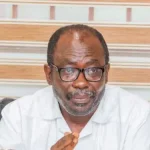
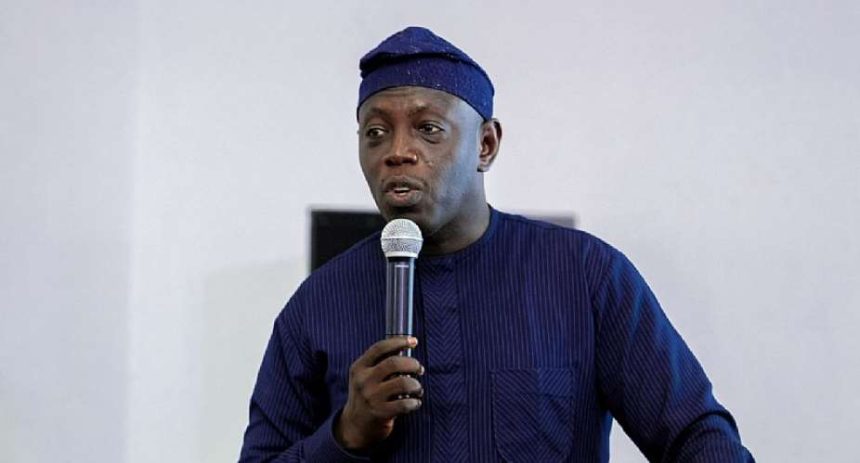
Executive Director of the Institute of Economic Research and Public Policy (IERPP), Prof. Issac Boadi, has rejected proposals to extend Ghana’s presidential term from four to five years, arguing that the change would reduce democratic accountability and leave the country vulnerable to prolonged periods of poor governance.
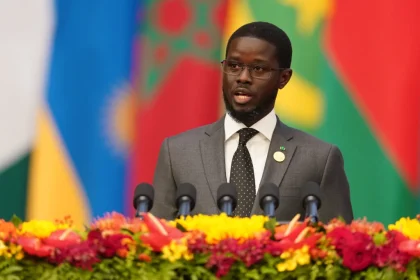
His remarks come after Attorney-General Dr Dominic Ayine announced that the government had accepted the Constitutional Review Committee’s recommendation to extend the tenure of the President and Members of Parliament from four to five years.
According to the Attorney-General, the proposal is intended to give governments more time to effectively implement their policies and development programmes.
Speaking in an interview on Friday, July 31, 2026, Prof. Boadi said he had no concerns about the proposed age limit for presidential candidates, insisting that leadership should be judged by competence rather than age.
“If you look at the age limit, you can have someone who is grown and able to reason well. You can also have a young person who is very sharp and capable. So I don’t have an issue with the age bracket,” he said.
However, he made it clear that he does not support extending the presidential term.
“My issue is the five-year term,” he stated.
Prof. Boadi challenged the argument that governments need an extra year because they spend their first months appointing officials and their final year preparing for elections.
He argued that Ghana’s political cycle remains active almost immediately after every election, making the justification unconvincing.
“The argument is that governments spend about six months appointing officials and another year preparing for elections, leaving only about two years for active administration. But in Ghana, right after elections, politics starts again. Election issues begin almost immediately,” he said.
He also questioned whether the proposed amendment would require a referendum, explaining that changes to entrenched provisions of the Constitution must be approved by voters.
While the Attorney-General has indicated that an implementation committee will determine which proposals require a referendum, Prof. Boadi said legal experts must first establish whether the presidential term extension falls under that category.
“My understanding is that the proposals have been grouped into categories, including those that require a referendum. The lawyers will have to confirm whether this proposal is one of them,” he said.
Prof. Boadi warned that extending the presidential term could force Ghanaians to endure an ineffective or corrupt administration for a longer period.
“I don’t understand this whole discussion. Imagine getting a president who is not performing, or a corrupt president, or someone sleeping on the job, and the country has to wait five years before voting again. We would be finished,” he cautioned.
He maintained that Ghana’s constitutional reforms should focus on strengthening accountability and improving governance rather than extending the time governments spend in office.