Economist Professor Godfred Bokpin has credited Eurobond holders, domestic bondholders and pensioners who suffered losses under Ghana’s debt restructuring with helping to restore the country’s debt sustainability.
According to him, their sacrifices not the operations of GoldBod provided the financial breathing space that has helped Ghana reduce its debt-to-GDP ratio and debt-servicing costs.
“The unpopular domestic debt exchange has played a key role. Remember that those who gave Ghana fresh air were actually not GoldBod,” Prof. Bopkin said.
He said Ghana’s improving fiscal position must be viewed in the context of the sacrifices made by creditors who agreed to restructuring terms when the country was facing severe financial difficulties.
“Those who gave Ghana breathing space to have what we have today were domestic bondholders who sacrificed, were Eurobond holders who sacrificed, who came to the table when Ghana needed help the most,” he said.
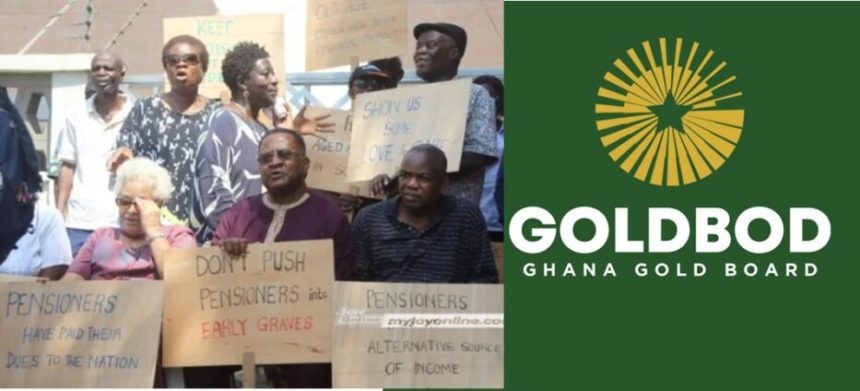
Prof. Bopkin said pensioners were also among those who bore the impact of the domestic debt exchange and deserved recognition for their contribution to Ghana’s economic recovery.
“Those who gave Ghana sweat equity, who gave Ghana fresh air to breathe, and I think we need to recognise them today, including pensioners and all of them, who endured a haircut. They didn’t even get a chance to choose the style of the haircut,” he said.
He noted that Ghana initially faced a balance of payments financing gap of about $13.5 billion under the IMF-supported programme, at a time when GoldBod’s domestic gold purchase operations were still relatively limited.
While welcoming the significant reduction in Ghana’s debt-to-GDP ratio and debt-servicing costs, Prof. Bopkin cautioned against wasting the fiscal space created through the sacrifices of creditors.
He recalled that Ghana had previously enjoyed similar debt relief under the Highly Indebted Poor Countries programme and the Multilateral Debt Relief Initiative, when the country’s debt-to-GDP ratio fell below 30%, but eventually lost those gains and returned to the IMF.
“It’s good news we are celebrating this fiscal space. Let’s put in place the right structures, spend efficiently, borrow prudently, and invest it in enhancing the cash flow-generating capacity
of the economy. Otherwise, we have been there before,” he said.