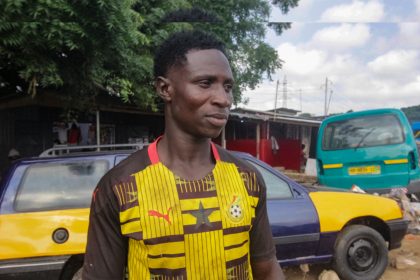
Ghana’s murder stories are no longer arriving as isolated tragedies. They are coming from university campuses, busy commercial centres, highways, beaches and even from within the security system itself.
From the killing of a young phone dealer in Teshie to the lynching of a police officer in the Savannah Region, a disturbing chain of murder cases has unfolded between 2025 and September 2026.
The cases raise difficult questions about public safety, intelligence gathering, crime prevention and the ability of the security system to protect citizens before violence turns fatal.
The latest case is that of Nana Yaw Kyere, popularly known as Terry Dinero, a Circle phone dealer whose body was found in Tema on September 24, days after he travelled to Teshie for what was reportedly a business transaction. Before his disappearance, he reportedly sent a WhatsApp message saying he had been “set up” and shared his location.
His Honda Civic was later recovered, while suspects were arrested. Reports have also said one suspect, identified as Philip Tefe, allegedly confessed during police questioning. The full circumstances remain under investigation.
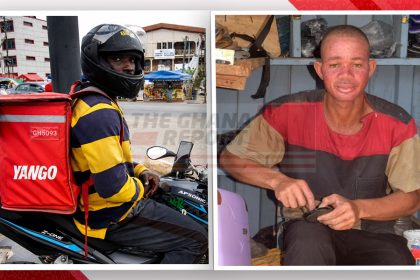
Then there is the case of Ivan Apprey Baidoo, a 20-year-old Central University law student, who died on August 27 after a Yango motorbike he was travelling on crashed into a concrete barrier following an alleged intervention by a police officer. General Corporal Robert Katey Koranteng was later charged with murder.

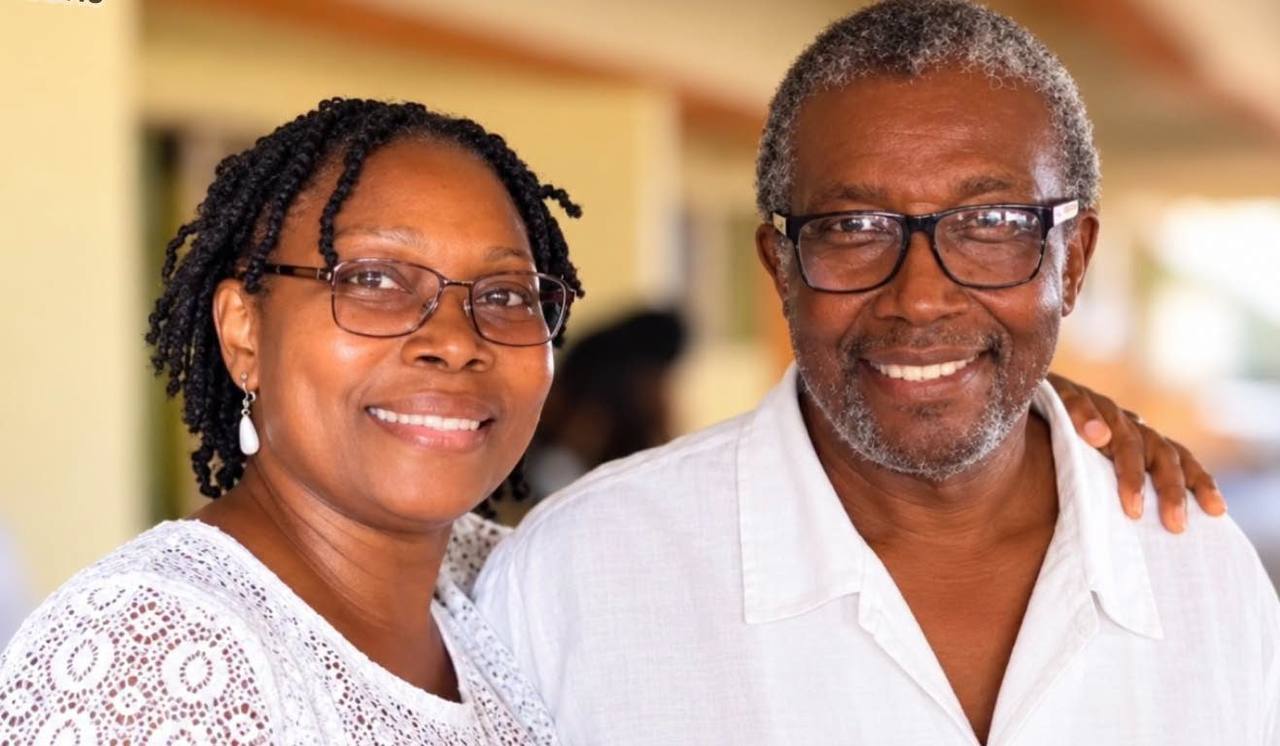
In March 2026, Dr. Jesse Amuah, 80, and his wife Elizabeth Esi Amuah, 64, were murdered at Asylum Down. Their bodies were allegedly concealed in a septic tank. The suspect, an errand boy, fled to Dubai but was deported to Ghana in August through INTERPOL.
In another case, 54-year-old Mohammed Rahman was shot dead at Tuba near Weija on August 6, 2026, while his wife, 53-year-old Christiana Fosu, was injured and admitted to Korle Bu Teaching Hospital. Investigators later alleged that there was also an attempt to kill Fosu, his wife, at the hospital.
Two brothers, Adams Adder Almeida and Bala Bilyon, were subsequently arrested in connection with the case.
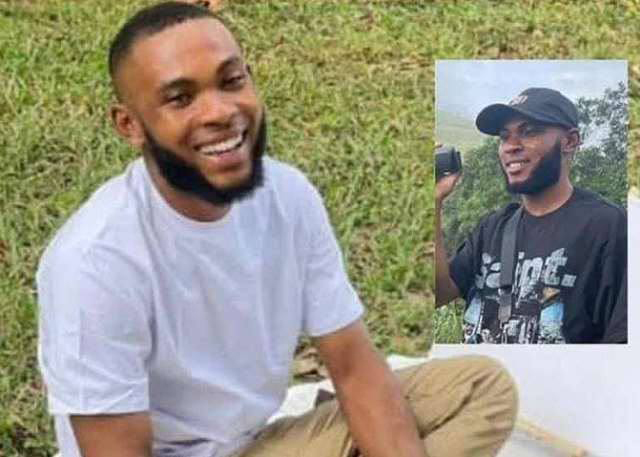
Also, 27-year-old man Theophilus Ashitey Amarh was allegedly lured to a meeting over the sale of his Hyundai Elantra on April 6, 2026, where he was attacked and fatally injured.
His burnt remains were later found inside the vehicle at Adamafio Link off the Legon Bypass. Police investigations led to the arrest of his friend and neighbour, Wisdom Tetteh, who allegedly sold the car and later attempted to sell Ashitey’s phone.
The cases stretch beyond Accra.
On September 16, Constable Redeemer Owusu, also identified as Kofi Redeemer Owusu, was lynched at Gindabour in the Savannah Region after a confrontation linked to the death of a teacher during a patrol operation. Forty-four people were reportedly arrested and faced charges including conspiracy and murder.
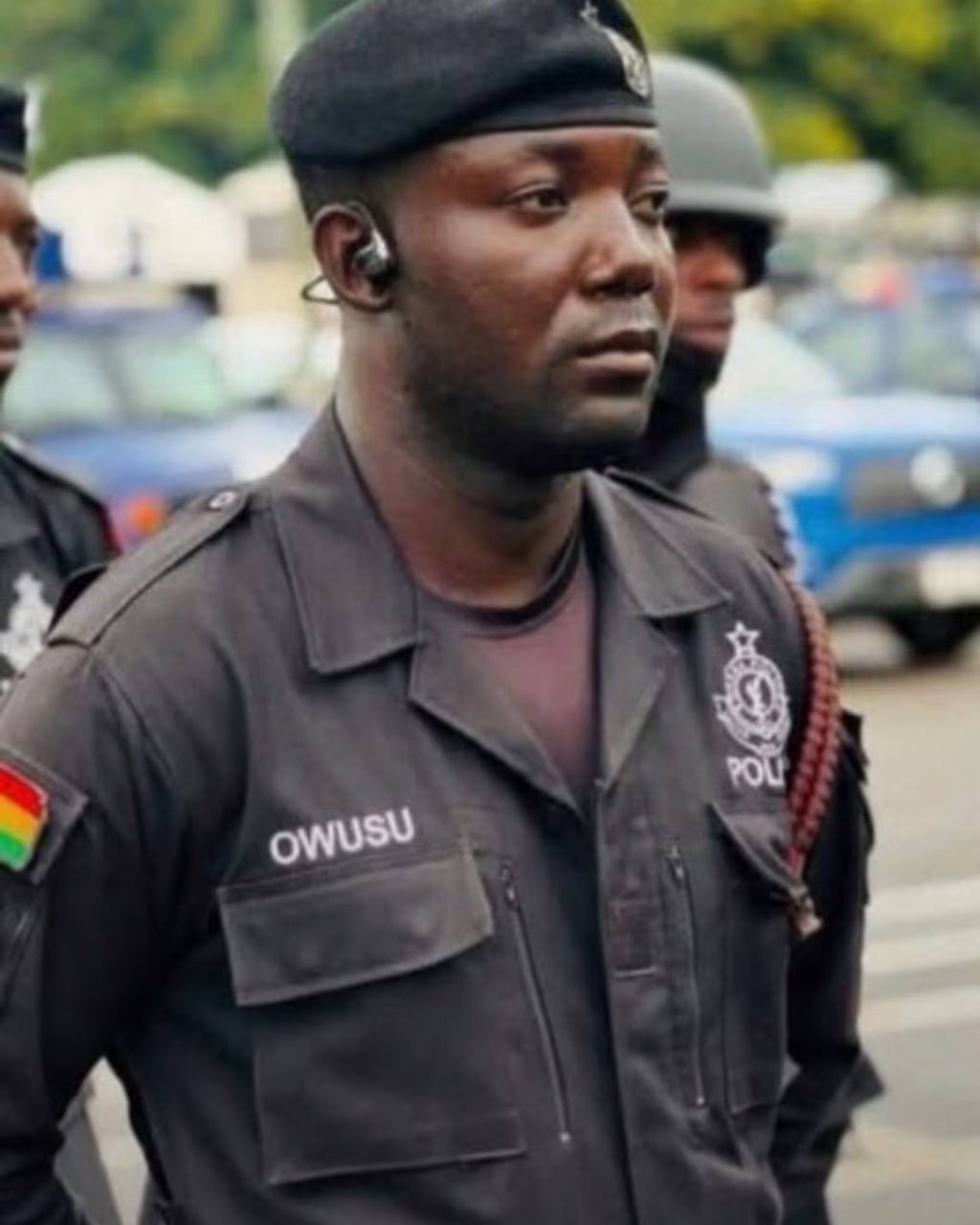
The death of a police officer at the hands of a mob presents an uncomfortable picture: those expected to protect citizens are themselves becoming victims of deadly violence, a sign of a shaky security architecture.
In Kumasi, the murder of Senegalese goalkeeper Cheikh Toure, who was allegedly lured by fake football agents, has resurfaced after two suspects were arrested in September 2026. Police said the victim had been targeted through an online scheme.
At the University of Cape Coast, the disappearance and death of 20-year-old Innocentia Atsufui Avinu in June 2026 also shocked the country.
She was reportedly picked up by a driver and taken towards a beach before her body was later found along the coast. A 39-year-old suspect was arrested.

The disturbing pattern goes back to 2025.
On February 27, 21-year-old KNUST student Joana Deladem Yabani was allegedly strangled on campus after an argument. Her boyfriend, Daniel Tuffuor, was arrested and arraigned the following day. More than a year later, the case is still before the courts, with Joana’s family continuing to demand justice.

In February 2025, Asante Kotoko supporter Francis Frimpong, alias “Pooley”, was stabbed during violence surrounding the Nsoatreman FC-Kotoko match.

In January, 86-year-old Christopher Agboka was killed at Datsiedu in the Volta Region in a dispute reportedly connected to coconut picking.
And in another case, immigration officer Stephen King Amoah was murdered in July 2025, allegedly over a financial dispute involving hundreds of thousands of cedis.
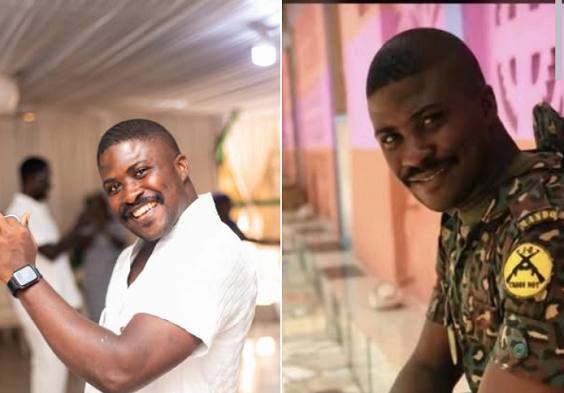
Taken together, these cases form a grim timeline of deaths involving young people, students, traders, security personnel, professionals and elderly citizens.
However, the Interior Ministry has, in fact, reported a decline in some violent crimes, including a 5.1% fall in armed robbery in 2025.
Yet the concentration and nature of these reported murder cases demand attention.
The responsibility now falls heavily on the security leadership.
Christian Tetteh Yohuno became Inspector-General of Police (IGP) on March 14, 2025, after President John Mahama appointed him to replace George Akuffo Dampare. His tenure was subsequently extended for another two years from December 2025, after he reached the mandatory retirement age.
At his swearing-in, IGP Yohuno pledged to uphold “service, respect, discipline and transparency” and lead efforts to modernise the Ghana Police Service.
President Mahama, at the time of the appointment, also acknowledged the growing threat of violent crime, cybercrime and other security challenges and called for a transformation in policing.
But beyond the pledges, Ghana’s broader peace and security indicators raise difficult questions about the direction of the country.
The country has steadily slipped down the Global Peace Index (GPI), a measure based on 23 indicators covering safety and security, ongoing conflict and militarisation.
Ghana was ranked 4th in Sub-Saharan Africa and 40th globally in 2022. By 2023, it had fallen to 4th in the region and 51st globally. The decline has continued, with Ghana ranked 9th in Sub-Saharan Africa and 76th globally currently.
The figures do not, by themselves, establish that the decline is solely the result of policing under any one IGP or government. But they point to a worrying broader trend: a country once regarded as one of the more peaceful states in the sub-region is gradually losing ground.
For a nation that has long projected itself as a regional model of stability, that slide should not be dismissed as a mere statistical movement.
The government and police leadership therefore face a growing public expectation: not merely to arrest suspects after lives have been lost or deploy the full weight of the security apparatus against social media commentators who use invectives, but to strengthen intelligence gathering, investigations, forensic capacity, community policing and, above all, the prevention of violent crime.
As Ghana’s peace and security environment comes under increasing strain, the real test of the country’s security architecture is not how forcefully it responds after blood has been shed, but how effectively it anticipates threats, disrupts criminal activity and protects lives before tragedy occurs.
That mandate is now being tested on the streets.
Everybody recovered from a beach, every missing person who does not return home, every student killed on a campus and every police officer attacked by a mob adds another question to the national security debate:
Are Ghana’s security systems moving quickly enough to prevent the next murder, or are they becoming better at responding after the damage is already done?