Ghana’s inflation rate rose slightly to 5.2% in September 2026, up from 5.0% in August, bringing an end to the steady decline recorded in previous months.
The latest figures from the Ghana Statistical Service (GSS) show that despite the increase, inflation remains well below the 9.4% recorded in September 2025.
Month-on-month inflation stood at 1.1%, meaning average prices increased by 1.1% between August and September 2026.
The September increase was mainly driven by non-food items, which recorded inflation of 6.2%, compared with 4.0% for food items.
Non-food items accounted for 63.3% of total inflation, while food contributed 36.7%.
The services sector remains a major source of price pressure, with inflation reaching 8.3%, nearly twice the 4.2% recorded for goods.
Within the services sector, housing, water and energy recorded inflation of 10.3%, while restaurants and hotels recorded 9.2%.
The figures also indicate that domestic factors are playing a larger role in driving inflation. Inflation for locally produced items stood at 6.4%, compared with 2.4% for imported items.
According to the GSS, locally produced items accounted for 85.7% of total inflation, highlighting the stronger contribution of domestic prices to the overall rate.
Regional differences were also significant. Ashanti Region recorded the highest inflation at 9.8%, followed by Eastern Region at 7.8%.
In comparison, Greater Accra recorded inflation of 3.4%, while Western Region recorded the lowest rate at -0.5%.
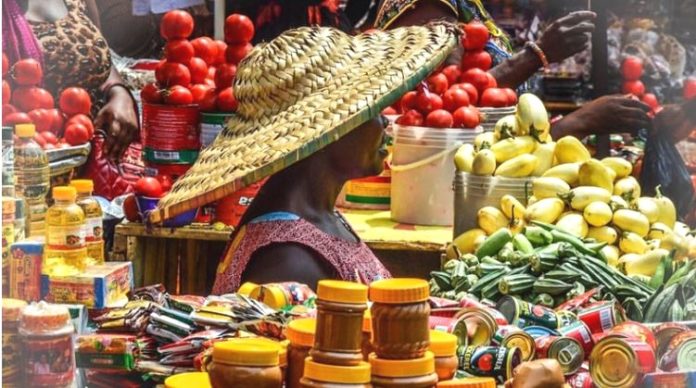
Some food products recorded significant price increases over the past year. Fresh tomatoes rose by 153.4%, while ginger increased by 100.4%.
However, prices of some food items declined, with limes falling by 29.9% and maize by 26.4%.
Overall, the GSS said inflation has declined by 4.2 percentage points over the past year, from 9.4% in September 2025 to 5.2% in September 2026.
The latest increase, however, points to continued price pressures within the domestic economy, particularly in the services sector.