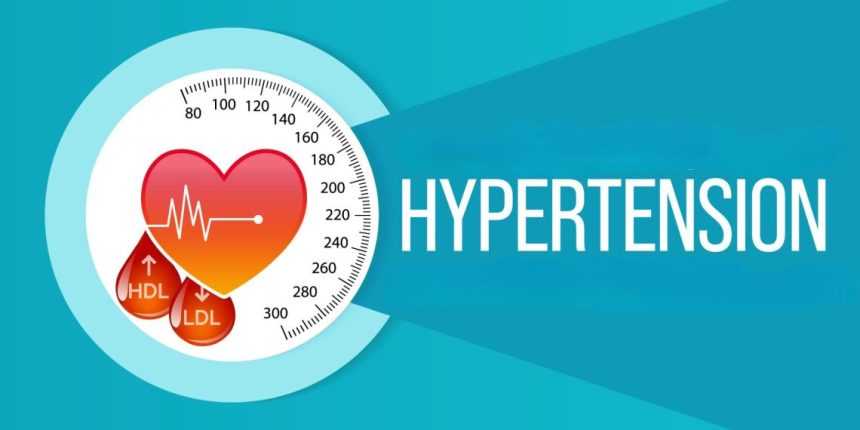
Medical professionals at St. Martin’s Catholic Hospital in the Amansie South District have expressed concern over the growing number of hypertension cases in the area, attributing the trend to factors such as self-medication, excessive consumption of energy drinks, unhealthy diets and stressful working conditions.
The concerns were raised during this year’s Hypertension Month celebration, where health experts used the occasion to educate residents on the dangers of high blood pressure and the importance of preventive healthcare.
Addressing participants at the event, the Medical Director of the hospital, Dr. Owusu Berkoma, said hypertension has become increasingly common among residents, particularly in mining communities where stress levels are often high.
He noted that many individuals seek treatment without consulting qualified health professionals, opting instead to purchase medication from pharmacies and chemical shops without proper prescriptions.
According to Dr. Berkoma, self-medication can have serious health consequences, especially for individuals with underlying cardiovascular conditions.
He warned that the practice may worsen hypertension and delay proper diagnosis and treatment.
The medical director also highlighted the growing popularity of energy drinks among young people and miners, describing it as another major health concern.
He explained that many energy drinks contain high levels of caffeine and stimulants, which can increase heart rate and blood pressure when consumed excessively.
Dr. Berkoma said the combined effects of work-related stress, poor nutrition, self-medication and excessive intake of stimulant drinks are placing many residents at risk of developing hypertension, often without realizing it.
He stressed the importance of regular medical checkups and blood pressure monitoring, noting that many people live with the condition unknowingly until severe complications arise. Early detection, he said, is essential in preventing life-threatening conditions such as stroke, heart disease and sudden death.
Also speaking at the event, the hospital’s Health Service Administrator, Paul Ralph Odum, urged residents to reduce their intake of processed and packaged foods. He explained that products such as instant noodles, biscuits, soft drinks and other processed foods often contain excessive amounts of salt, sugar and preservatives, which can contribute to high blood pressure.
He encouraged residents to embrace healthier lifestyles by eating more fruits, vegetables and locally produced foods, exercising regularly and adopting effective stress-management practices.
The awareness campaign formed part of ongoing efforts to combat hypertension, a major public health challenge in Ghana, through education, early detection and healthier living.