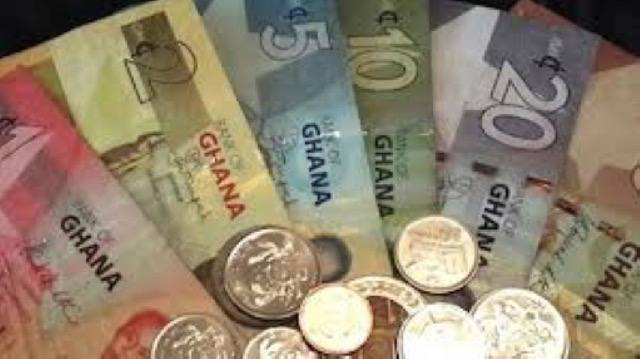
Ghana’s currency, the cedi, has emerged as the poorest-performing currency in West Africa in 2026, following months of steady depreciation against the United States dollar.
The decline has also placed the cedi among the weakest currencies on the African continent this year.
A report by Reuters, based on data from the London Stock Exchange Group (LSEG), indicated that the cedi had lost 10.28 percent of its value against the dollar as of early May 2026. At the time, the exchange rate stood at 11.36 cedis to one US dollar.
The report further warned that the local currency could continue to weaken due to rising demand for foreign exchange, especially from companies operating in Ghana’s energy sector.
According to Reuters, persistent demand for dollars by businesses has placed significant pressure on the cedi and contributed to its ongoing decline.
Since the publication of the report, the currency has continued to lose value. By the close of trading last week, the cedi was selling at approximately 11.61 to the dollar, reflecting the growing challenges facing the local currency market.
The cedi is one of nine major currencies used across West Africa. Others include the CFA franc, which is shared by eight countries in the sub-region.
Among all the regional currencies, however, the cedi has recorded the sharpest depreciation so far in 2026.
Its poor performance has also ranked it among Africa’s weakest currencies this year, alongside currencies such as the Libyan dinar.
The depreciation comes despite signs of improvement in parts of Ghana’s economy, particularly a recent decline in inflation.
Analysts say the falling inflation rate has not been enough to stabilise the currency because businesses and importers continue to demand large amounts of foreign exchange to support trade and operations.
The weakening cedi has also affected the prices of goods and services across the country.
Many traders and importers are reportedly buying dollars at rates higher than official market prices, leading to increased costs that are often passed on to consumers.
Reuters noted that market traders expect the pressure on the cedi to persist as foreign exchange demand remains high.