Ghana’s long-standing “No Bed Syndrome” has once again come under national attention following the death of 29-year-old engineer Charles Amissah, who reportedly died after being denied emergency care at three major hospitals in Accra.
The incident, which has sparked public outrage, has renewed concerns about the country’s emergency healthcare system and the treatment of critically ill patients.
Reports from a committee chaired by Professor Agyeman Badu Akosa concluded that Amissah died from excessive blood loss and medical neglect after he was turned away by the Police Hospital, Greater Accra Regional Hospital and Korle Bu Teaching Hospital on the night of February 6, 2026.
The committee found that the young engineer arrived alive at all three hospitals but was not properly stabilised before referrals were made. According to the report, basic emergency interventions could have saved his life.
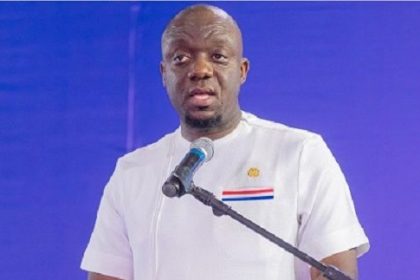
Reacting to the findings, Dr. Ekua Amoakoh, a member of the New Patriotic Party’s (NPP) Health Sector Committee and Deputy Spokesperson for the former vice president, Dr. Mahamudu Bawumia, has blamed the tragedy on what she describes as “system failure caused by policy choices”.
In her statement, she argued that Ghana’s healthcare challenges are the result of poor leadership decisions and political interference.
Dr. Ekua Amoakoh criticised the abandonment of a national Bed Management Network, which, according to her, previously covered nearly 80 percent of the country and stored years of patient records.
She claimed the system was discontinued due to political decisions aimed at cancelling projects introduced by previous administrations.
She also questioned the state of the National Ambulance Service, stating that emergency medical technicians are no longer receiving Advanced Trauma Life Support training.
Referring to the findings of the Prof. Akosa committee, she noted that the administration of intravenous fluids during transport could have improved Amissah’s chances of survival.
The NPP’s Health Sector Committee member further defended frontline doctors and nurses, insisting they should not be blamed for failures created by the system.
According to her, many doctors are overworked, under-resourced and forced to improvise due to the lack of beds, equipment and personnel.
She called on the government to employ more doctors and nurses, restore the national healthcare database and revive the electronic bed management system to help prevent future deaths.
Dr. Amoakoh also extended condolences to the family of Charles Amissah and vowed that health advocates would continue demanding reforms that place human lives above politics.