Every year, Ghanaians are told the same thing: pay your taxes because development needs money. Citizens are constantly reminded of their “national duty” to contribute toward building the country. On paper, that sounds fair. No serious country survives without taxes.
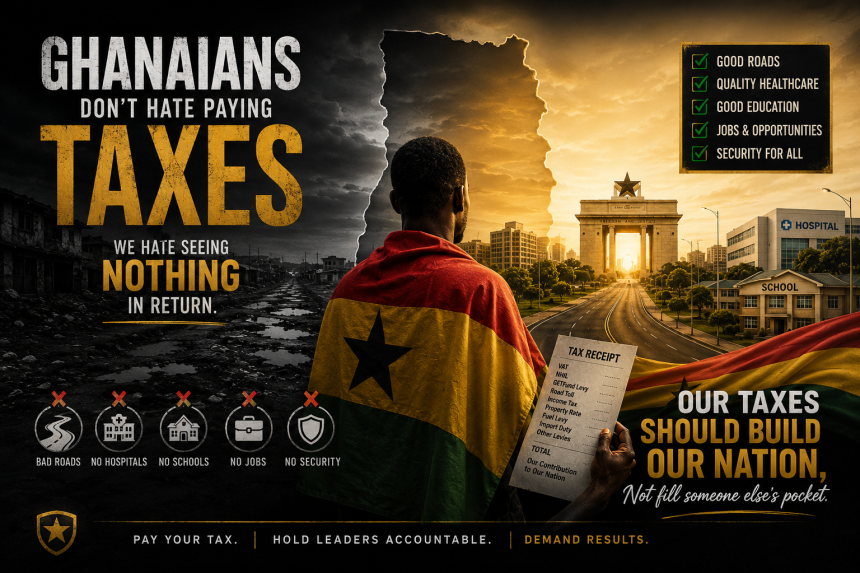
But here is the painful truth many leaders continue to ignore, Ghanaians do not hate paying taxes. What people truly hate is paying more and more while receiving less and less in return.
That is where the anger comes from.
A worker wakes up at dawn, battles traffic, struggles through unbearable transport fares, buys fuel at painful prices, pays VAT on almost everything, and still returns home to power outages, bad roads, poor drainage systems, and unreliable healthcare.
At some point, frustration replaces patriotism. Citizens are taxed like people living in developed countries, yet many are surviving under conditions that continue to worsen by the day.
People are not asking for luxury. They are asking for the basics, stable electricity, functioning roads, decent healthcare, clean water, good schools, and honest leadership.
Unfortunately, in Ghana today, even basic public services are treated like special favours from politicians instead of responsibilities funded by taxpayers.
This is why many people no longer trust the system.
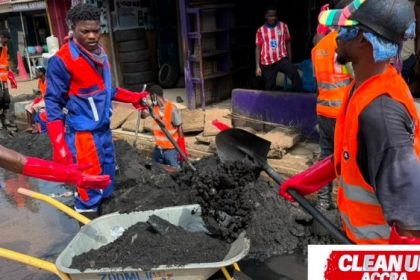
How do you convince a struggling trader at Makola to faithfully pay taxes when floods destroy her shop every rainy season because drains remain choked year after year?
How do you ask a young graduate to sacrifice for the nation when corruption scandals continue making headlines while unemployment keeps rising?
The average Ghanaian watches leaders travel in luxury convoys while ordinary citizens struggle to afford transportation.
New taxes are introduced with speed, but accountability moves slowly. Government agencies demand compliance from citizens, yet many public officials rarely face consequences for waste, corruption, or poor performance.
That imbalance is dangerous.
The truth is, taxation without visible development creates bitterness. People willingly support systems they believe are working for them.
Across the world, citizens in countries with high taxes still cooperate because they can see where their money goes — quality roads, healthcare, security, education, and opportunities.
In Ghana, many citizens see deductions on their payslips but struggle to see improvements in their daily lives.
This is why public anger keeps growing anytime new taxes are announced. It is not always about refusing to contribute. It is about demanding value for money.
Trust is the real currency missing in Ghana’s tax conversation.
If the government wants citizens to comply willingly, then accountability must become visible. Wasteful spending must be reduced. Corruption must attract real punishment.
Public projects must stop becoming election-season decorations. Leaders must understand that taxpayers are not enemies of the state — they are the very people keeping the state alive.
A country cannot continuously demand sacrifice from citizens while many in leadership appear insulated from the suffering of ordinary people.
Ghanaians are prepared to build this country. They are prepared to contribute. They are prepared to sacrifice.
But citizens also want to feel that their sacrifices mean something.
Because at the end of the day, the problem is not taxation.
The problem is trust.