The Judicial Service Staff Association of Ghana (JUSAG) has drawn attention to the shortage of magistrates in the country, revealing that more than 130 courts are currently operating without magistrates.
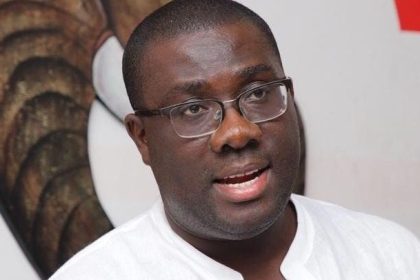
JUSAG President Samuel Afotey Otu is urging the Government to speed up the recruitment of magistrates to address the vacancies and help improve the effective delivery of justice.
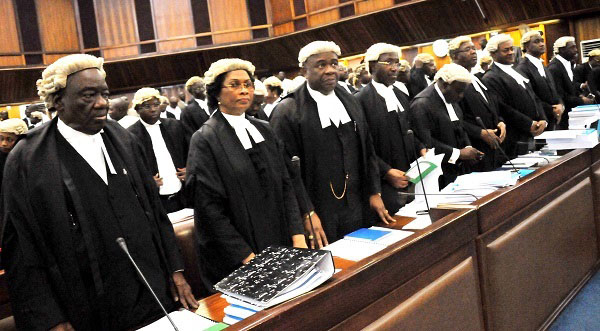
He made the call on Thursday at the 45th Annual General Meeting of the Association of Magistrates and Judges of Ghana (AMJG) in Accra. The meeting was held under the theme: “Balance Beyond the Bench: Harmonising Duty, Justice and Life.”
Mr Otu also called on the Attorney-General and Minister of Justice to review the remuneration packages and conditions of service for judges and magistrates and introduce a policy that responds specifically to their needs.
According to him, the difference in salaries between judges serving in the lower courts and those on the Superior Courts should be reduced by increasing the remuneration of judges on the lower Bench.
“The salary gap between the lower Bench and Superior Court Judges should be closed a bit by upping the salaries of the lower Bench,” he said.
The JUSAG President further proposed that members of the lower Bench should receive police escorts or orderlies, noting that judges and magistrates face comparable security concerns in the performance of their duties.
“Judges and Magistrates do the same work, although at different levels, but need similar protection,” he added.
Mr Otu also appealed to the Government and the Judiciary to create conditions that would enable judicial officers and staff to work with dignity while maintaining a healthy and fulfilling life outside their professional responsibilities.
“Let us, therefore, continue to build a Judicial Service where excellence at work is matched by well-being,” he said.
He further drew attention to JUSAG’s lawful demands under Article 149 of the 1992 Constitution and called on the Government to take immediate action.
“Government must act now because staff are not happy.”
Addressing criticism and attacks directed at judges and judicial officers on social media, Mr Otu said members of the Judiciary would remain committed to their responsibilities despite public criticism.
He also appealed to the public to show judicial officers the respect and courtesy they deserve.
He explained that the nature of risks associated with judicial work had changed with the growth of social media, where information, photographs and activities involving judges, magistrates and other judicial officers could quickly be circulated.
“In some instances, this can expose the judges and staff, as well as their families, to risks that were less prevalent in the past,” he stressed.
Meanwhile, Attorney-General and Minister of Justice Dr Dominic Ayine said judicial office came with certain restrictions that distinguished it from other forms of public service.
In a speech delivered on his behalf, Dr. Ayine explained that such restrictions were necessary to preserve the independence and impartiality required of judges and magistrates under the Constitution.
He noted that judicial officers could not always publicly respond to criticism and were therefore required to exercise restraint and caution in their public engagements and personal associations.
“Balance should not be misunderstood as a retreat from duty. Rather, it is about creating the conditions that enable judicial officers to discharge that duty sustainably, effectively, and with clarity of mind that justice demands,” he said.
Dr. Ayine further emphasised that the Executive, the Bar and the Judiciary each had separate constitutional responsibilities, and that respecting those boundaries was essential to judicial independence.
He added that independence should not prevent cooperation among the various arms of the justice system, particularly in efforts to improve justice delivery, minimise unnecessary delays, upgrade court facilities and make appropriate use of technology.
The Attorney-General also praised the AMJG for choosing a theme that encouraged a broader discussion of judicial service, extending beyond judgments, courtrooms and case statistics to focus on the welfare and overall well-being of the individuals who occupy judicial office.