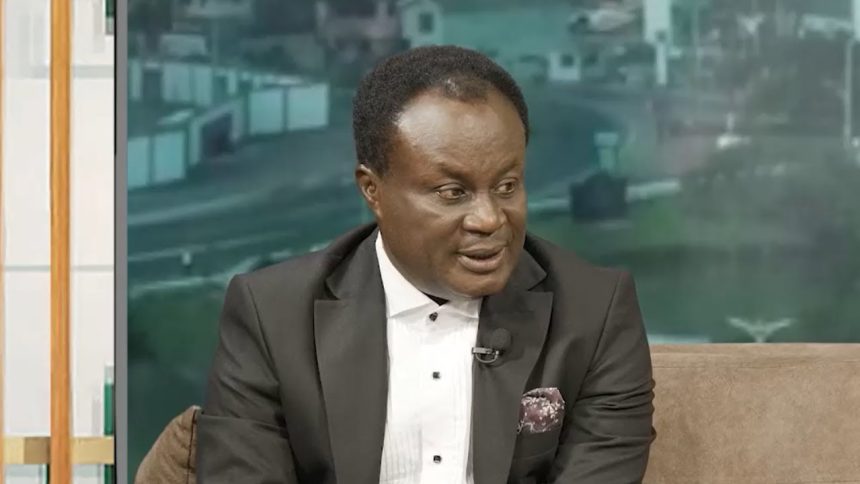
Legal practitioner and historian Yaw Anokye Frimpong has urged journalists who cover court proceedings to engage lawyers for clarification before publishing reports, saying the practice would help improve accuracy in legal journalism.
Speaking in a telephone interview, Lawyer Anokye Frimpong explained that legal proceedings often involve complex language and technical arguments that may be difficult for reporters without legal training to fully understand.
He noted that courtroom reporting presents unique challenges because journalists are usually positioned away from the judge, lawyers and other key participants during proceedings.
According to him, the distance between reporters and the main actors in the courtroom can make it difficult for journalists to clearly hear conversations or properly interpret legal arguments being made.
“Judges and lawyers are close to each other when they are speaking in court, but journalists are always far from them. They cannot hear or understand everything that is said,” he explained.
The legal expert advised court reporters to develop the habit of speaking with lawyers after hearings to confirm details, understand legal terms and get accurate interpretations of court decisions before filing their stories.
He also raised concerns about what he described as the incorrect use of some legal expressions in media reports. Citing an example, he questioned the common use of the term “armed robber” in news stories.
Mr Anokye Frimpong explained that the word “robber” in legal terms already refers to a person who uses or threatens to use force while committing a crime.
Therefore, he argued that adding the word “armed” may not always be necessary or legally accurate.
He called for stronger cooperation between members of the legal profession and journalists to ensure that court proceedings are reported fairly, accurately and responsibly.
According to him, regular engagement between lawyers and reporters would not only improve the quality of legal reporting but also help reduce misinformation surrounding court cases, he stated on CTV.
He encouraged journalists covering the judiciary to view lawyers as important sources of explanation rather than relying solely on their own interpretation of complex legal matters.