Ghana Water Limited (GWL) has dismissed claims circulating on social media that sewage is contaminating the country’s potable water supply, describing the allegations as false, misleading and without any technical basis.
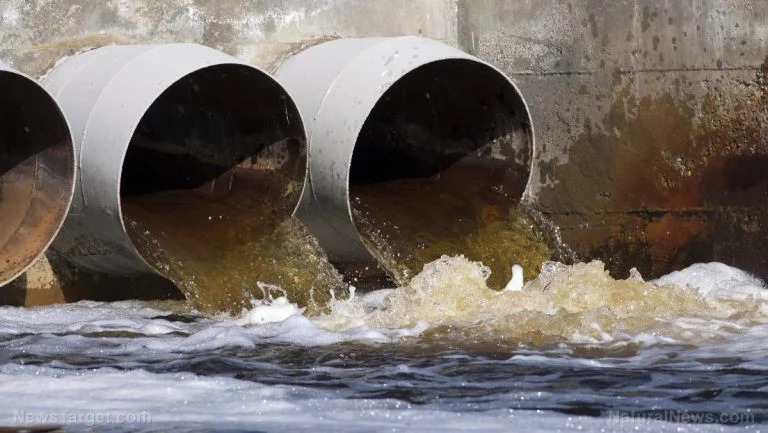
The company’s response follows the circulation of a video online which claimed that a burst Ghana Water pipeline inside an overflowing sewage chamber was allowing wastewater to enter the drinking water system.
In a statement issued on July 13, 2026, GWL said it immediately deployed engineers and technical experts to inspect the location after becoming aware of the video.
According to the company, investigations revealed that the pipe shown in the video does not belong to Ghana Water Limited.
The assessment established that the structure was a trunk sewer inlet pipeline designed to transport wastewater into a sewage chamber as part of the sewage network.
GWL further stated that there was no Ghana Water pipeline located within the sewage chamber and that no damaged, exposed or burst drinking water pipeline was found at the site.
The company therefore rejected claims that sewage was entering its water distribution system, describing such assertions as completely unfounded.
Ghana Water assured the public that its drinking water infrastructure is separate from sewage systems and is designed and maintained to prevent any contact between treated water and wastewater.
The company also explained that water supplied to consumers undergoes strict treatment processes, continuous monitoring and regular laboratory testing to ensure it meets the required drinking water standards set by the Ghana Standards Authority.
GWL urged members of the public to disregard the video and rely on verified information from the company’s official communication channels.
The company’s clarification comes amid growing public concerns about water safety, especially following the circulation of videos and messages on social media that often raise questions about the quality of public water supply.