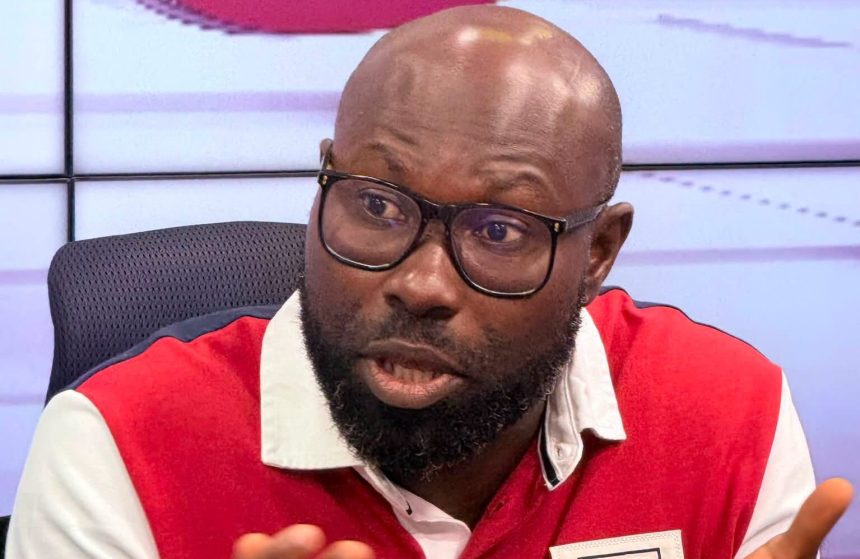
Suame Member of Parliament John Darko has called on the government to take real and concrete action against illegal mining, popularly known as galamsey, and drug trafficking linked to Ghana.
Mr Darko said the government should move beyond press conferences, statements and assurances, especially as illegal mining continues to damage the country’s natural resources and several major international drug cases have been linked to Ghana.
In a Facebook post, he said these issues should not be treated as political propaganda because they affect the safety of Ghanaians, the country’s natural resources, state institutions and Ghana’s reputation internationally.
He also questioned who is behind the activities and where the financiers and alleged kingpins are. He further asked why investigations into major drug cases often appear to end with couriers and other low-level suspects.
“The government must stop treating these issues as political talking points and demonstrate, through concrete action, that no individual—regardless of political connection, wealth or influence—is above the law,” he said.
Mr Darko also called for stronger measures to protect Ghana’s rivers, forests and borders. He said more must be done to protect young people from the effects of illegal mining and drug trafficking.
According to him, Ghanaians deserve clear answers and meaningful action from the government to show that it is serious about protecting the country’s resources, institutions and international reputation.
His comments come at a time when Ghana has been linked to several major international drug cases.
These include the seizure of nearly 3.9 tonnes of suspected cocaine by French customs from a container that arrived from Ghana. Australian authorities have also intercepted about 320 kilogrammes of methamphetamine hidden in a charcoal shipment from Ghana.
In another case, a 52-year-old South African man was arrested at OR Tambo International Airport on September 20 after arriving from Accra with substances suspected to be heroin worth more than R2 million.