Energy analyst Kwadwo Poku has called on the government to engage transport unions and agree on a sustainable formula for adjusting fares whenever operating costs change.
He said temporary measures would not adequately address the challenges created by rising fuel prices.
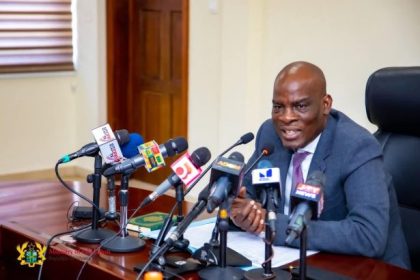
Speaking in an interview, Mr Poku said the government should “sit down with the Ghana Private Road Transport Union (GPRTU) and other private transport unions to agree on a fare adjustment mechanism that considers both increases and decreases in operating costs”.
His comments come amid renewed increases in petroleum prices and ongoing discussions over a proposed 30% increase in transport fares.
Mr Poku said the proposed fare adjustment should not be based solely on fuel prices, noting that transport operators also consider other costs, including insurance, when determining fares.
“So I think there should be a meeting between government and them to come to a middle point where they will agree that if you are to increase it by this much, then everybody would agree to it,” he said.
He argued that any agreement should also require transport operators to reduce fares when fuel prices fall.
According to him, this would help prevent situations where fares remain high even after the factors that led to their increase have eased.
Mr Poku also questioned the sustainability of the government’s current measures to cushion consumers against rising petroleum prices.
“Government [needs] to find a way forward. This ad hoc way will not solve the problem,” Mr Poku said.
He warned that pressure on petroleum prices could persist, particularly because of developments on the international oil market.
“The war is not going to end any soon. Of course, it’s going to be a month, three months, twelve. We’ve got seven months already,” he said.
Mr Poku urged the government to move beyond short-term interventions and work with transport operators to establish a clear, long-term framework for adjusting fares in response to changes in fuel and other operating costs.