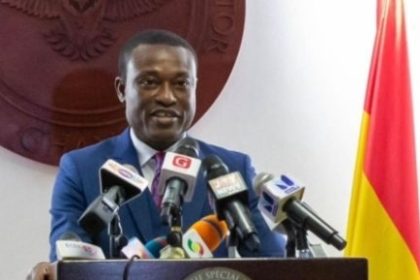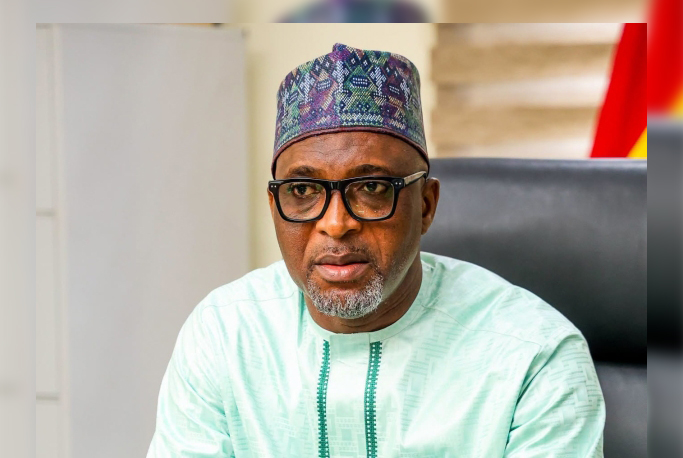
The Ministry of the Interior, Muntaka Mohammed-Mubarak, has announced the recovery of 73 assets associated with drug trafficking as part of enhanced efforts to combat organised crime and bolster Ghana’s anti-narcotics initiatives.
The Minister indicated that this accomplishment is a result of improved logistics for law enforcement agencies and the creation of a specialised court to address narcotics-related offenses.
During Vice-President Professor Naana Jane Opoku-Agyemang’s visit to the ministry, the minister stated that these measures have fortified the capacity of security agencies to investigate drug-related crimes and ensure that perpetrators are brought to justice.
He noted that the government’s anti-narcotics strategy is beginning to show positive outcomes, with the recovery of assets believed to be linked to illicit drug activities.
The minister also detailed reforms aimed at overhauling Ghana’s correctional system, mentioning that the recently enacted Community Service Act and the forthcoming parole regulations will assist in alleviating prison overcrowding while facilitating the rehabilitation and reintegration of offenders.
He remarked that the Community Service Act represents a significant achievement after many years of efforts to introduce the legislation.
“The Community Service Bill has been passed into an Act and is waiting for assent,” Mr Mohammed-Mubarak stated.
“You know the importance of this community service. It’s something that this country has been struggling with for the past 34 years since we came into constitutional rule in 1992. By the grace of God, now it has been passed into an Act.”
He added that Parliament is nearing the completion of the parole regulations.
“We’ve also been able to get the parole regulation in Parliament. It’s now counting days. We are very sure that in the next few days the process will be completed,” he mentioned.
The minister expressed optimism that these two reforms would greatly enhance Ghana’s correctional system.
“The Community Service Act, together with the parole regulation, is what we hope is going to transform our correctional services drastically because it’s going to help reduce congestion in our prisons and help inmates improve their lot,” he added.