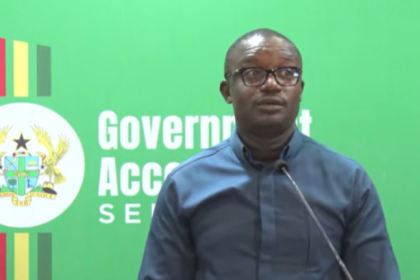
The Chief Executive Officer of the National Petroleum Authority (NPA), Godwin Edudzi Tamakloe, has described the steady supply of petroleum products as a major national security concern.
According to him, any serious disruption in fuel supply could quickly affect businesses, transportation and other areas of Ghana’s economy because consumers have limited alternatives when petroleum products are unavailable.
Speaking during an interview on Thursday, September 17, Mr Tamakloe said the management of Ghana’s downstream petroleum sector must therefore be treated as a strategic national responsibility.
He explained that while people may find temporary ways to cope with electricity interruptions, a shortage of fuel can have immediate consequences for economic activity.
Mr Tamakloe said the NPA is focused on managing risks within the local petroleum industry while also preparing for external challenges, particularly changes in international oil markets.
He identified three major factors that influence fuel prices and availability in Ghana: the free-on-board (FOB) price, taxes and the exchange rate.
Because Ghana imports petroleum products, he said changes in global prices and fluctuations in the value of the cedi can directly affect prices at fuel stations.
His comments come amid renewed pressure on the domestic fuel market following increases in international crude oil and refined petroleum product prices.
The NPA recently increased the price floor for petrol to GH¢16 per litre and diesel to GH¢16.77 per litre from September 16, leading some Oil Marketing Companies to adjust their pump prices.
Mr Tamakloe also referred to the petroleum supply crisis of 2014–15 as an important lesson for the sector.
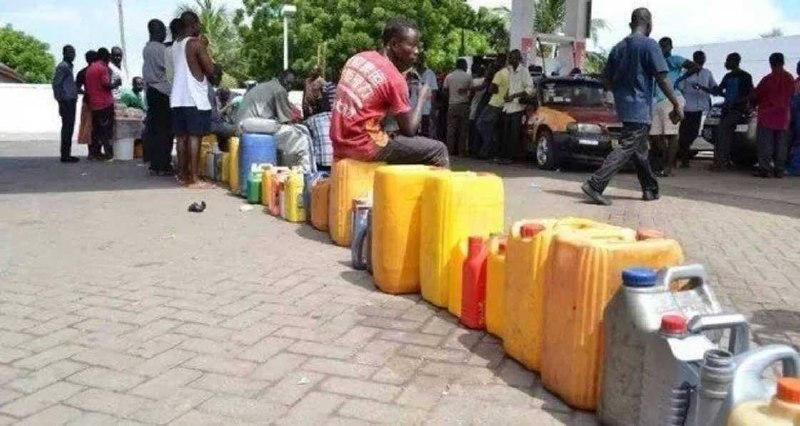
He said the long fuel queues experienced during that period were not caused by an actual shortage of petroleum products but by what he described as an “artificial shortage” at some fuel stations.
He stressed that the experience showed the need for stronger measures to protect Ghana’s petroleum supply chain.
According to him, the goal is to ensure that external market pressures do not result in avoidable fuel shortages and disruptions in the country.