The Christian Council of Ghana (CCG) has expressed its support for the Ghana Catholic Bishops’ Conference regarding what it termed the “deeply concerning events” that occurred at the Karnival Kingdom Festival, which took place from April 22 to 28 in Ghana.
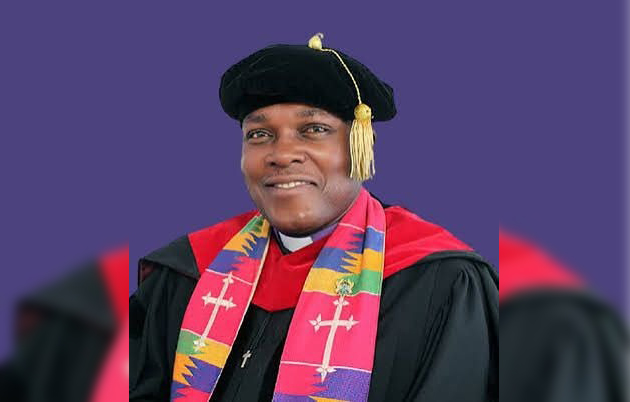
In a statement endorsed by its Chairman, Rt. Rev. Dr Lt. Col. B. D. K. Agbeko, the Council condemned the acts of public nudity that were reportedly exhibited during the festival, asserting that such behaviour contravenes Ghanaian law and undermines the moral and cultural values of the nation.
“We join in the unequivocal condemnation of public nudity displayed during the festival, an act which not only offends public decency but also stands in violation of Ghanaian law, particularly Section 278 of the Criminal Offences Act, 1960 (Act 29),” the statement said.
The Council further stated that “such conduct undermines the moral fabric of our society and erodes the cultural values that define us as a people”.
Additionally, the CCG voiced its concern regarding reports that some individuals involved in the alleged acts were afforded police protection during the event.
“The CCG is especially troubled by reports that participants engaged in such acts received police protection. This raises serious questions about the role of state institutions entrusted with upholding law and order,” the statement noted.
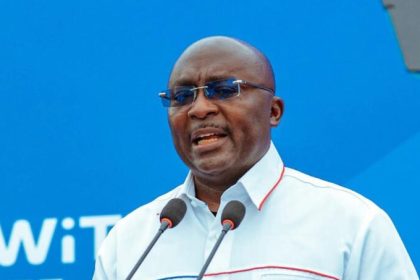
The Council indicated its support for calls for “a full, transparent, and impartial investigation into the circumstances surrounding the event, including the granting of permits and the deployment of security personnel,” a position echoed by John Ntim Fordjour.
While recognising the significance of cultural exchange and international engagement, the Council emphasised that such interactions must adhere to Ghana’s laws, traditions, and societal norms.
“Imported cultural expressions cannot supersede the legal and moral standards that govern public life in our nation,” the statement stressed.
The Christian Council additionally emphasised the necessity for accountability in governance, asserting that institutions tasked with upholding public morality “must not be seen to endorse or shield actions that contravene established laws”.
“The integrity of our public institutions depends on their consistent and impartial enforcement of the law,” the statement further noted.
The Council also called for non-interference in any investigative processes and urged all stakeholders to permit due process to unfold “without politicisation”.
Among its recommendations, the CCG advocated for a comprehensive and independent investigation, the results of which should be made public; a thorough review of event-permitting procedures with explicit guidelines on public decency, accountability for any misuse of state resources, including police protection, and the initiation of a wide-ranging national dialogue regarding the limits of cultural expression in public areas.
The Council characterised the occurrences at the festival as “not just a lapse in judgment, but a serious challenge to the rule of law and the values we uphold as a nation.”
“We stand with the Ghana Catholic Bishops’ Conference in calling for urgent corrective action to ensure that such incidents are not repeated,” the statement concluded.
This follows a prior condemnation by the Ghana Catholic Bishops’ Conference regarding the scenes observed at the festival.
In a statement endorsed by its President, Most Rev. Matthew Kwasi Gyamfi, the Bishops labelled the displays as offensive, unlawful, and contrary to Ghana’s moral standards.
The Conference also raised concerns about the presence of police officers at the event and called for an independent inquiry into the involvement of state authorities.
The Bishops further demanded a review of event-permitting processes and insisted on accountability when breaches of duty are identified.