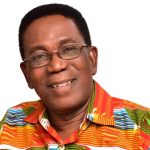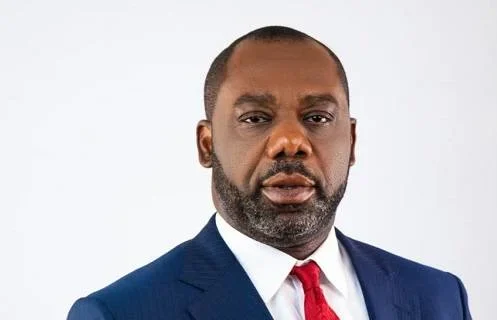
Former Education Minister and 2024 New Patriotic Party (NPP) running mate, Dr. Matthew Opoku Prempeh, has marked nine years of Ghana’s Free Senior High School (Free SHS) programme.
Dr. Prempeh, popularly known as “Napo”, said the next stage of the programme should focus not only on getting more young people into school but also on improving the quality of education and giving students skills that can help them find opportunities in the future.
He made the comments in a Facebook post to mark nine years since the Free SHS programme was introduced.
“Free SHS opened the door, but the next task is to make sure education leads somewhere,” Dr. Prempeh said in a Facebook post marking the anniversary.
The Free SHS programme was introduced on September 12, 2017, under former President Nana Addo Dankwa Akufo-Addo. The main aim was to remove the financial difficulties that prevented many families from sending their children to secondary school.
Dr. Prempeh served as Education Minister at the time and was closely involved in the introduction and implementation of the programme.
He said he was privileged to work with officials at the Education Ministry, its agencies, teachers, public servants and other education professionals to make the policy possible.
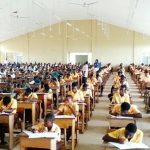
However, he admitted that the sharp increase in the number of students also put a lot of pressure on the education system.
Schools had to deal with challenges involving classrooms, teachers, feeding, funding, school placement, infrastructure and school management.
To deal with the increase in student numbers, the government introduced the Double Track system as a temporary solution. At the same time, efforts were made to expand school infrastructure and provide other support for the growing number of students.
According to former Education Minister, the experience showed that major reforms cannot succeed without strengthening the systems that support them.
He also connected the lessons from Free SHS to the current challenges with school placement.
He said school placement problems should not be seen only as issues for individual parents to deal with. Instead, he believes they should be treated as part of a bigger problem within the education system.
Dr. Prempeh called for better use of data, clearer placement rules, stronger digital systems, local solutions for resolving problems and quicker responses when parents and students face difficulties.
He also said governments should continue policies that bring benefits to Ghanaian families, while working to correct the weaknesses in those policies.
“Good ideas matter but execution gives them meaning. And good policy should be strong enough to survive politics,” he said.
For Napo, the focus of education must now go beyond simply increasing access to schools.
He said students should receive quality education and practical skills that can help them find opportunities and contribute to Ghana’s development.
“Access must increasingly lead to quality. Education must lead to skills, skills must lead to opportunity, and opportunity must lead to the kind of development Ghana needs,” he said.
Nine years after the programme began, Free SHS remains one of Ghana’s major social interventions. It has allowed many more young people to attend senior high school without paying tuition fees.
However, the programme continues to face challenges, including pressure on school infrastructure, resources and the placement system.
As the country marks nine years of Free SHS, Prempeh believes the conversation should now move beyond whether the programme has increased access.
The bigger question, he said, is how Ghana can build on that achievement to provide better education, stronger skills and more opportunities for young people.