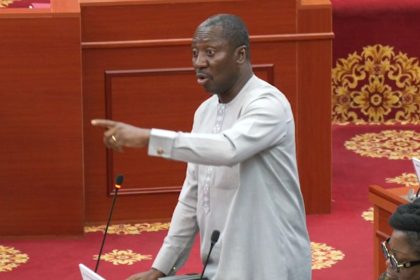
The New Patriotic Party (NPP) spokesperson on Gender and Social Protection, Akosua Manu, has called on the government to adopt lasting measures to tackle Ghana’s recurring flooding challenges, arguing that clean-up exercises alone cannot solve the problem.
According to her, while the recently organised National General Cleaning exercise is a useful intervention, authorities must look beyond temporary measures and focus on the deeper issues contributing to floods across the country.
Speaking about the recent floods, she said effective flood management requires a comprehensive strategy that addresses drainage systems, waste management practices and long-term infrastructure planning.
She criticised what she described as an overemphasis on public appearances and publicity surrounding clean-up activities, stressing that such efforts should not replace practical solutions needed to prevent future disasters.
“Let’s see beyond the settings and the optics and the picture-taking and the camera angles that they get so perfectly.
They are million-dollar shots. It doesn’t depict the real situation,” she said.
Her comments follow the government’s two-day National General Cleaning exercise held across seven flood-affected regions after the devastating floods of June 29.
The exercise focused on clearing waste, desilting drains and improving sanitation in areas affected by flooding.
However, Ms. Manu acknowledged that although such activities are necessary, they only address immediate concerns and do not resolve the structural problems behind repeated flooding.
She argued that Ghana needs a broader flood prevention plan that includes improved drainage networks, proper waste disposal systems, regular maintenance of infrastructure and stronger enforcement of environmental regulations.
She stressed that government must shift from reacting to flood disasters after they occur to implementing preventive measures that protect communities and reduce the impact of heavy rains.
She called for what she described as “real governance”, insisting that leadership should be measured by sustainable policies and results rather than short-term interventions.