The Commission on Human Rights and Administrative Justice (CHRAJ) has disclosed that it handles about 10,000 complaints every year, a workload that continues to stretch its investigative resources.
The Commission says limited funding and the complicated nature of many cases often slow down investigations and delay the release of reports.
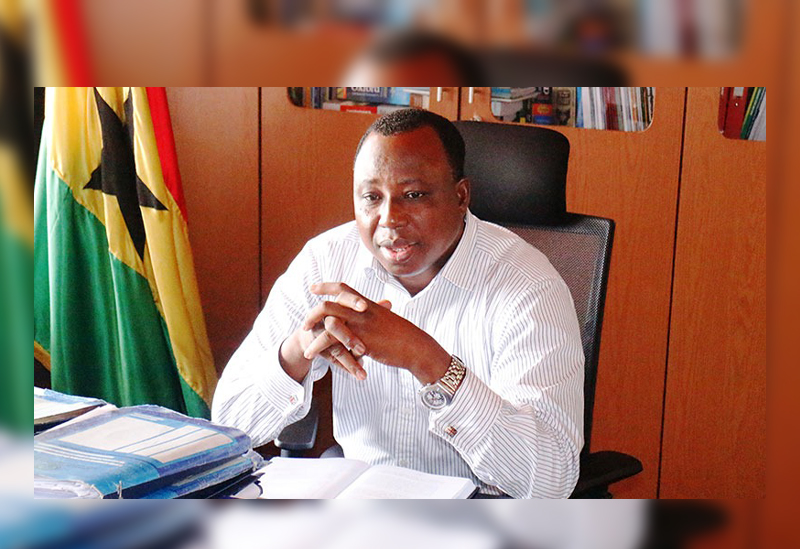
Dr. Joseph Akanjolenur Whittal, Commissioner of CHRAJ, shared this concern during an interview with the Ghana News Agency on the sidelines of a public forum on corruption held in Accra.
The Media Foundation for West Africa (MFWA) organised the event in partnership with CHRAJ, Transparency International Ghana and the National Commission for Civic Education (NCCE).
The forum focused on the theme, “Restoring Citizens’ Trust in the Fight Against Corruption in Ghana: The Role of the Media.”
Dr. Whittal explained that many of the complaints submitted to the Commission involve detailed investigations that require officers to gather evidence from different parts of the country.
“The complaints that come are not small complaints. Your staff must move all over the place to gather evidence. If I don’t have money to give to my investigators to go and carry out investigations, some complaints will certainly suffer,” he said.
He noted that the combination of limited resources and a high volume of cases affects how quickly CHRAJ can complete its work. Despite these challenges, he stressed the importance of maintaining thorough investigations to ensure justice is served.
Dr. Whittal also encouraged journalists to remain committed to corruption-related stories after the initial headlines. He urged the media to track cases through every stage until they conclude.
In addition, he advised journalists to focus on the facts and evidence surrounding each case instead of being influenced by the names or political affiliations of those involved.
“We should not be thinking of the name of the person and maybe the political party he or she may belong to. That should not be the case. Every case must be treated with scrutiny and importance,” he stressed.
Speaking at the forum, the Executive Director of the MFWA, Sulemana Braimah, highlighted the powerful role public perception plays in the fight against corruption.
According to him, people’s beliefs about institutions can influence their actions, regardless of whether those perceptions fully reflect reality.
“What matters, therefore, is that perceptions shape behaviour. When citizens lose trust in institutions, they become less likely to report corruption and support accountability efforts or believe that change is possible,” he said.
He warned that declining public confidence in institutions poses a serious challenge to efforts aimed at promoting transparency and accountability.
“That is a challenge we must all confront because that is perhaps our reality today,” he added.
The event also celebrated participants of the Next Generation Investigative Journalism (NGIJ) Fellowship, a three-month training programme designed for early and mid-career journalists from across West Africa.
The ceremony marked the successful completion of their training and highlighted the importance of investigative journalism in strengthening accountability and good governance.