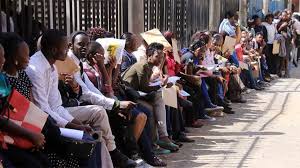
The International Monetary Fund (IMF) has raised concerns over Ghana’s persistently high youth unemployment, revealing that about 30% of people aged 15 to 24 remain without jobs despite improvements in the country’s economic outlook.
In its latest country report on Ghana, the IMF said social conditions remain difficult even with existing safeguards.
The report noted that, according to World Bank estimates, the national poverty rate measured at the international poverty line of $3 a day fell modestly to 37.1% in 2025 from 38.9% in 2022.
The decline was driven by lower inflation and stronger growth in the agriculture and services sectors.
To tackle unemployment, especially among young people, the IMF said the government’s Medium-Term National Development Policy Framework (2026–2029) prioritises growth in labour-intensive sectors that have the potential to create more jobs.
Despite these efforts, the IMF warned that Ghana still faces significant social protection challenges that require increased funding and more effective implementation.
“While social spending has increased modestly under the ECF, coverage and benefit levels remain low relative to needs and regional comparators”.
The Fund also pointed out that the Livelihood Empowerment Against Poverty (LEAP) programme, even after its planned expansion, will still cover only a small share of the nearly 40% of Ghanaians living below the international poverty line.
On education, the IMF acknowledged improvements in learning outcomes but noted that secondary school enrolment remains below the Sustainable Development Goals (SDG) targets, while education quality continues to trail that of peer countries.
“In the context of ongoing fiscal discipline, global uncertainty, and ongoing utility tariff adjustments, strengthening social safety nets and implementing well-targeted social policies is essential to protect the most vulnerable from the adverse impacts of macroeconomic shocks”, it concluded.