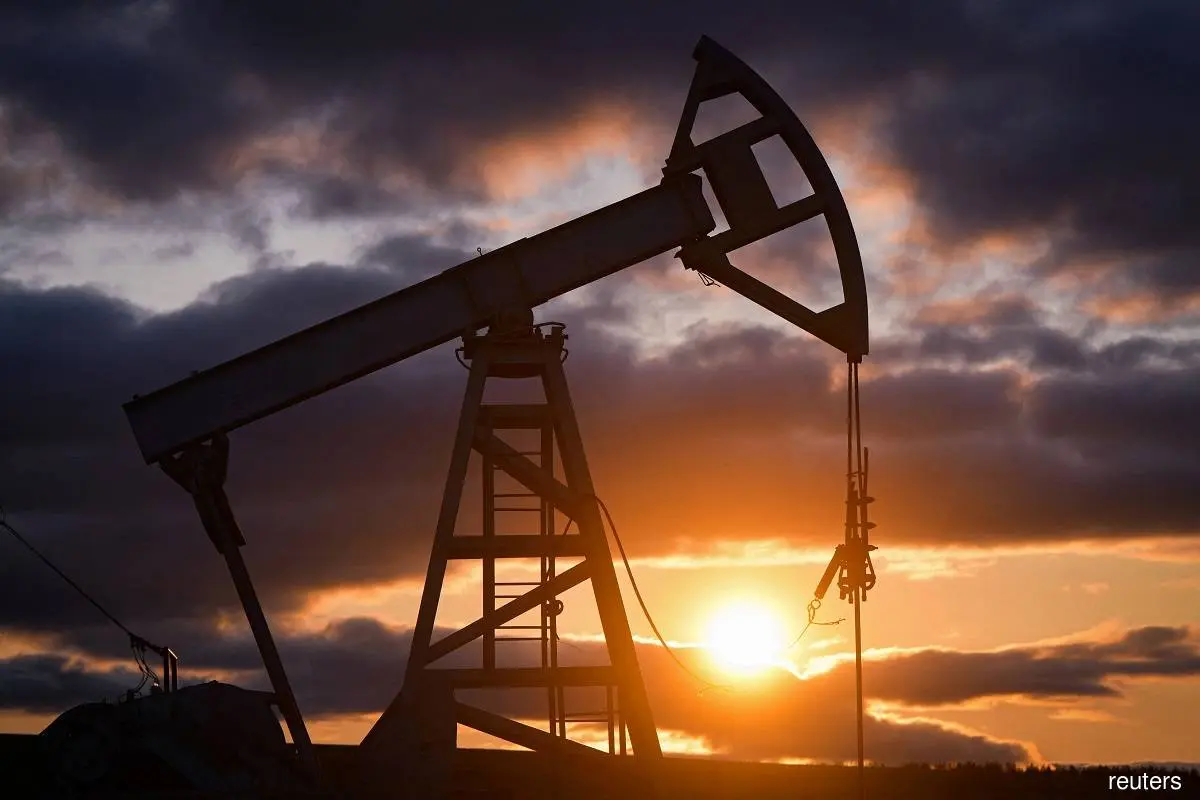
Ghana expects to earn about US$1.5 billion from petroleum revenue in 2026, significantly higher than the US$985 million projected in the national budget earlier this year.
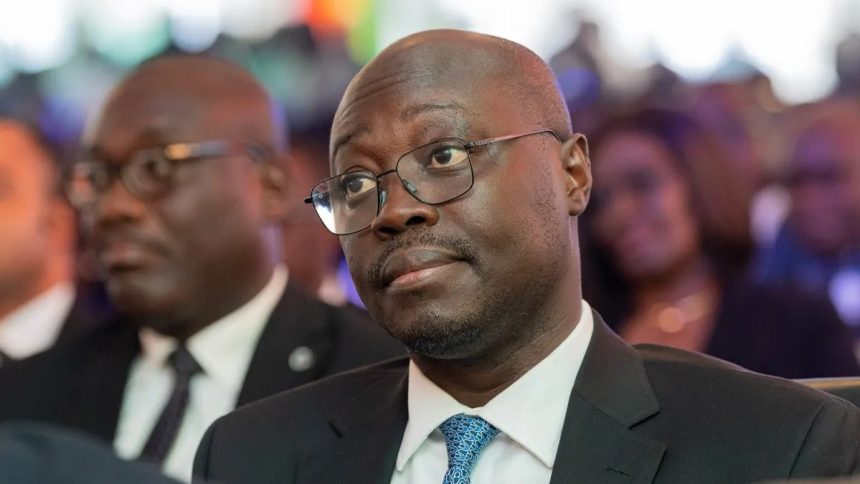
Finance Minister Dr. Cassiel Ato Forson revealed the revised outlook during an interview with Bloomberg in London.
He said rising crude oil prices on the global market, driven largely by recent developments in the Middle East, had improved the country’s revenue prospects.
The government plans to present the updated figures in its Mid-Year Budget Review in July 2026. Dr. Forson also confirmed that the review will introduce a new economic policy initiative aimed at supporting growth and strengthening the economy.
When he presented the 2026 Budget, the minister based petroleum revenue estimates on a benchmark oil price of US$76.22 per barrel. That figure represented a slight increase from the US$74.70 benchmark used in the 2025 budget.
Under the original revenue forecast, Ghana was expected to receive US$162 million from royalties.
Carried and Participating Interest was projected to generate US$419 million, while Corporate Income Tax was expected to contribute US$403.5 million. Surface rentals were estimated at US$720,000.
The government planned to channel US$556.6 million into the Annual Budget Funding Amount (ABFA) to support national expenditure.
Another US$238.6 million was earmarked for the Ghana Petroleum Funds, with US$167 million allocated to the Ghana Stabilisation Fund and US$71.6 million to the Ghana Heritage Fund.
Dr. Forson also explained that the government would transfer US$190.33 million to GNPC. This amount includes US$149.98 million for equity financing costs and US$40.4 million as the corporation’s share of net Carried and Participating Interest.
Looking beyond 2026, the minister projected petroleum receipts of US$1.08 billion in 2027, US$1.02 billion in 2028 and US$930 million in 2029.
Highlighting the importance of prudent management, Dr. Forson said, “The careful management of petroleum revenues ensures we can fund key projects today while saving for the future,” adding that the government remains committed to fiscal discipline and long-term economic stability.
The minister also expressed confidence about Ghana’s economic performance this year. While the 2026 Budget forecast growth of 4.8%, he now believes the economy could expand by more than 6%.
“We have seen some interesting developments in the oil and gas sector; that will impact the GDP [Gross Domestic Product] numbers at the end of this year”.
Dr. Forson said the government would provide further details on both revenue expectations and economic growth when it presents the Mid-Year Budget Review next month.