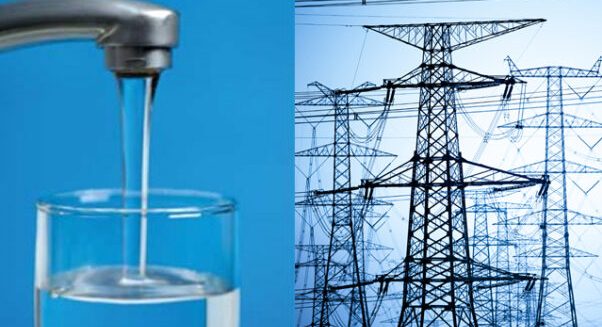
Frequent power outages, unreliable water supply and road safety challenges continue to be the biggest concerns for consumers in Ghana, according to a new report released by CUTS International Accra.
The report, titled “The State of the Ghanaian Consumer 2025,” assesses the quality of essential public services and highlights areas where consumers believe significant improvements are needed.
According to the report, although Ghana has made considerable progress in expanding access to electricity, with the national electrification rate reaching 88.5 percent, many households and businesses continue to experience regular power interruptions.
CUTS noted that the recurring outages are largely linked to weaknesses in the country’s electricity transmission and distribution systems rather than power generation.
While the duration of outages generally falls within the limits set by regulators, the report said electricity providers have not consistently met reliability standards across all operational areas.
The report also revealed widespread dissatisfaction with water supply services. Many consumers reported experiencing prolonged interruptions in water delivery, often without prior notice from service providers.
In addition, the report pointed to delays in responding to customer complaints and low levels of public satisfaction with the quality of water services provided across the country.
Road safety was identified as another major concern for consumers. According to CUTS, the increasing number of road traffic accidents has heightened public demand for stronger measures to improve safety on Ghana’s roads.
The organisation called for more effective regulation of the transport sector, improved road infrastructure and stricter enforcement of traffic laws to help reduce crashes and protect road users.
The report emphasised that addressing these challenges requires coordinated action by government agencies, utility providers and regulators to improve service delivery and restore public confidence.
CUTS International Accra urged policymakers and service providers to prioritise consumer welfare by investing in infrastructure, strengthening oversight and improving communication with the public.
The organisation believes that resolving persistent challenges in electricity, water and road transport services will not only improve the quality of life for Ghanaians but also support economic growth by creating a more reliable and efficient public service system.