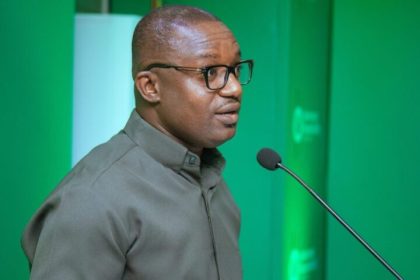

The Member of Parliament for Akuapem North, Sammi Awuku, has criticised the latest increase in fuel prices, saying the Mahama government has failed to keep its promise of protecting Ghanaians from rising fuel costs.
In a social media post on Sunday, August 2, Awuku said the new fuel prices would make life even harder for families and businesses.
He noted that this comes despite earlier assurances from the government that it would introduce measures to reduce the impact of fuel price increases.
His comments followed the National Petroleum Authority’s (NPA) announcement of the August indicative price floors. Petrol is now expected to sell at a minimum of GH¢14.53 per litre, while diesel has increased to GH¢16.97 per litre. This represents a 9.4% increase for petrol and an 18.3% increase for diesel.
Some oil marketing companies have already adjusted their prices, with diesel now selling for more than GH¢18.00 per litre at the pumps.
Awuku argued that even when global crude oil prices dropped in the past, Ghanaians did not benefit because of the NPA’s price floor policy.
He also questioned why the Price Stabilisation and Recovery Levy, which was increased by GH¢1 per litre in July 2025, is still being charged.
According to him, the National Democratic Congress (NDC) promised in its 2024 election manifesto to use the levy to protect consumers from fuel price increases, help stabilise the cedi, and reduce the cost of living.
“If government says it has made significant progress in clearing energy sector debt, then Ghanaians deserve to know: When will this levy be reduced and when will consumers begin to feel the relief that was promised?” Awuku wrote.
He added that although no government can control global crude oil prices, Ghanaians expect the current administration to honour its campaign promises or explain why those promises can no longer be fulfilled.
The government has previously said that changes in fuel prices are mainly caused by international crude oil prices, movements in the exchange rate, and existing taxes and levies.