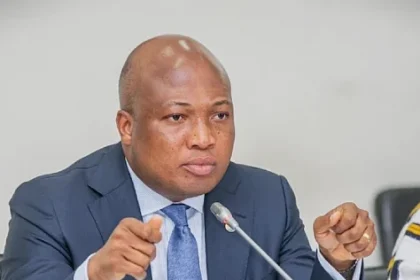
The Paramount Chief of Akyem Abuakwa, Osagyefo Amoatia Ofori Panin, has called on Vice President Professor Jane Naana Opoku-Agyemang to make the transformation of Ghana’s education sector a top national priority, highlighting persistent challenges affecting schools, particularly in rural communities.
Speaking to the vice-president during a visit to Kumasi for the investiture of the Garden City University College Vice-Chancellor, the Okyenhene said although Ghana has made progress in expanding access to education over the years, significant problems remain, including overcrowded classrooms, an outdated curriculum and poor remuneration for teachers.
Addressing the Vice President directly at the occasion, the traditional ruler stressed that the country must invest more in improving the quality of education if it is to prepare young people for the demands of a rapidly changing global economy.
“My message to the Vice President, you are here in the city. Classrooms in rural Ghana are overcrowded, the curriculum is outdated and teachers are not paid well,” he said.
The Okyenhene noted that these long-standing challenges continue to affect learning outcomes, particularly in deprived communities where schools often struggle with inadequate infrastructure, limited teaching materials and shortages of qualified staff.
He argued that improving teachers’ welfare should be a key part of any education reform, saying better salaries and working conditions would help motivate educators and improve the quality of teaching across the country.
His comments add to ongoing national discussions about the future of Ghana’s education system. Education stakeholders including the former Minister for Education, Adu-Twum who has repeatedly called for curriculum reforms that place greater emphasis on critical thinking, digital skills, science, technology, technical and vocational education, and entrepreneurship to better prepare students for the modern job market.
Teacher unions have also consistently advocated improved conditions of service, arguing that better remuneration, professional development opportunities and adequate resources are essential for raising educational standards.
Despite recent investments in school infrastructure and reforms introduced under successive governments, disparities between urban and rural schools remain a major concern.
Many schools in remote communities continue to face overcrowding, inadequate classroom facilities and limited access to teaching and learning materials.
The Okyenhene’s appeal is expected to renew calls for comprehensive reforms aimed at ensuring that every Ghanaian child, regardless of location, has access to quality education delivered in a conducive learning environment.