
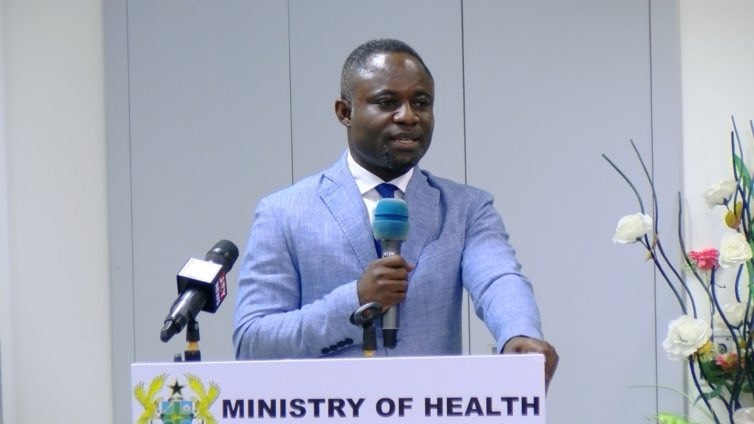
From the dismissal and suspension of hospital chief executives to clashes with medical professionals and labour unions, Health Minister Kwabena Mintah Akandoh’s tenure has been marked by a series of high-profile controversies that have sparked questions about his approach to governance.
To some, Akandoh is a decisive reformer determined to enforce discipline and accountability in a system long plagued by inefficiencies.
To others, the recurring disputes with doctors, hospital administrators, and professional associations beg the question: Is he implementing the tough reforms needed to fix Ghana’s struggling health system, or do the conflicts reflect shortcomings in his leadership style?
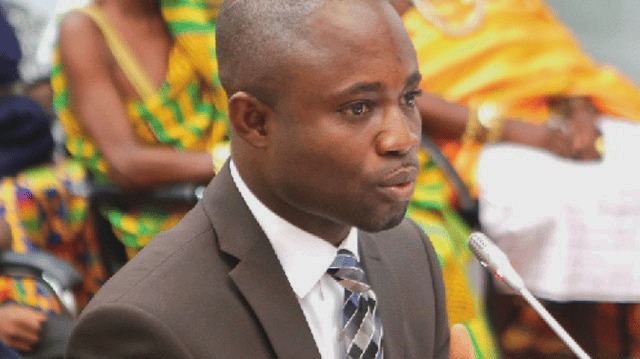
Hon. Kwabena Mintah Akandoh was appointed Ghana’s Minister for Health on 7 February 2025 under President John Dramani Mahama after Parliament approved his nomination two days earlier.
His appointment followed a long parliamentary career that began in 2013 as Member of Parliament for Juaboso, where he built a reputation for firm oversight on health sector issues.
His appointment, therefore, came with strong expectations that he would bring stability, strengthen health system management, and fix long-standing inefficiencies in public healthcare delivery.
The Government placed a straightforward mandate on him: enforce discipline in public health facilities, fix long-standing inefficiencies, and restore public confidence in a strained system.
Upon assuming office, he directed agencies such as the Ghana Health Service and the National Health Insurance Authority to adopt performance contracts and emphasised strict oversight of infrastructure and equipment maintenance.
However, his tenure has quickly become defined by recurring disputes with hospital leadership, labour unions, and civil society groups.
Most of the pressure points cluster around administrative confrontations, staffing crises, infrastructure breakdowns, and controversial emergency interventions that often escalate into wider industrial unrest.
The most recent issue emerged at the Komfo Anokye Teaching Hospital (KATH) after it announced the closure of its emergency unit, citing a lack of capacity.
He ordered the suspension of the hospital’s Chief Executive Officer following concerns over management and service delivery.

Medical staff reacted sharply, and doctors withdrew emergency services in protest.
The Ghana Medical Association (GMA) criticised the move and argued that the decision lacked due process and failed to address the deeper “No-Bed Syndrome” affecting referral hospitals nationwide.
Critics also accused the minister of relying on administrative sanctions rather than systemic fixes, while patients experienced immediate disruption in care.
A similar incident was at the Greater Accra Regional Hospital (Ridge), where his surprise visit exposed broken sanitation facilities and non-functional medical equipment.
While the minister attributed the situation to long-standing neglect, the public reaction focused on why such basic failures persisted under active ministerial oversight.
At the Mother and Child Hospital, patients complained of long waiting hours without attention, with Akandoh fuming over finding senior administrators absent from duty.
The incident intensified concerns about supervision gaps within public facilities.
In April 2025, his handling of the Tamale Teaching Hospital crisis significantly escalated tensions.

He later oversaw the dismissal of the hospital’s Chief Executive Officer following allegations of negligence and poor infrastructure conditions, including non-functional equipment and deteriorating sanitation.
Doctors responded with a suspension of emergency and outpatient services, leaving patients stranded and forcing nurses to turn away critical cases. The GMA also challenged the decision, questioning the procedure and consultation.
Beyond hospital leadership disputes, the minister has faced sustained backlash over human resource management.
Health worker groups continue to raise concerns about over 70,000 unemployed qualified personnel, even as hospitals struggle with understaffing and long queues.
At the same time, Junior doctors have resisted mandatory rural postings, arguing that the directives lack incentives and adequate working conditions.
They further warned that threats of payroll removal without incentives or tools could accelerate brain drain rather than solve staffing gaps.
These tensions have contributed to growing dissatisfaction within the health workforce and raised questions about policy coordination.
Public frustration has also grown over infrastructure and equipment failures. Hospitals such as Ga North Municipal have reported broken anaesthesia machines, ICT downtime affecting NHIS processing, and recurring shortages of basic consumables.
Though the ministry acknowledged inefficiencies linked to casual staffing and declining internally-generated funds, conditions in many facilities have shown limited improvement.
Policy initiatives such as container-based clinics and tricycle ambulances have further attracted criticism.
Many stakeholders have described them as superficial solutions that do not address the underlying collapse of district and regional healthcare infrastructure.
Taken together, supporters argue that Akandoh is enforcing long-overdue discipline in a system resistant to accountability.
However, the frequency of escalations, strikes, dismissals, and service disruptions has also reinforced a growing perception of a ministry struggling to stabilise the very system it seeks to reform.
The result is a leadership record that continues to sit between decisive intervention and persistent institutional turbulence, leaving the question of “cracking the whip or poor leadership” deliberately unresolved.










Short man fever