Three major pre-tertiary teacher unions have warned of a possible nationwide strike if the government fails to address long-standing concerns contained in their conditions of service.
The Ghana National Association of Teachers (GNAT), the National Association of Graduate Teachers (NAGRAT) and the Pre-Tertiary Teachers Association of Ghana (PRETAG) say they are frustrated by delays in implementing key provisions agreed upon during previous negotiations with government.
The warning follows a meeting with the Fair Wages and Salaries Commission (FWSC) on Thursday, July 16, which ended without a breakthrough after the Commission indicated it would require a fresh mandate from government before further discussions could continue.
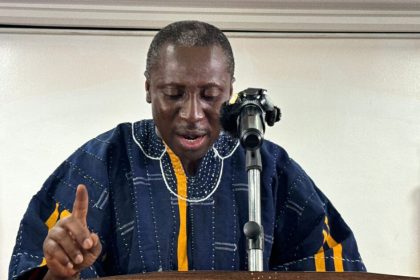
PRETAG Vice President, Adokwei Ayikwei Awulley, identified two major concerns at the centre of the dispute, the lack of promotion opportunities for teachers at the Deputy Director level and the non-implementation of incentives for teachers serving in deprived and hard-to-reach communities.
According to him, many teachers who attain the rank of Deputy Director remain stuck at that level for more than a decade because progression to the next grade depends largely on the availability of vacancies rather than years of service or performance.
He further noted that a directive by President John Dramani Mahama to address the promotion bottlenecks affecting Deputy Directors is yet to be implemented.
The unions are also demanding the implementation of a 20 per cent incentive package for teachers posted to difficult and underserved areas, a provision they say has appeared in successive conditions of service agreements since 2009 but has never been enforced.
Mr Awulley warned that the unions would give government until the end of next week to demonstrate commitment towards resolving the concerns.
“If nothing concrete is done, we will advise ourselves. We’ll use all possible means at our disposal to ensure that we get what we are supposed to get.”
The unions insist that their demands are not new requests but obligations already captured in negotiated agreements that governments over the years have failed to implement.