The Institute for Energy Policies and Research (INSTEPR) has urged the Public Utilities Regulatory Commission (PURC) to suspend its proposed third-quarter utility tariff increases, arguing that the Commission’s own data does not justify the adjustments at a time when many Ghanaians are struggling with the rising cost of living.
In a statement issued on June 24, 2026, and signed by its Executive Director, K.N. Poku, the energy policy think tank also called on PURC to adopt a clear and standard methodology for quarterly tariff reviews to ensure transparency, consistency and predictability.
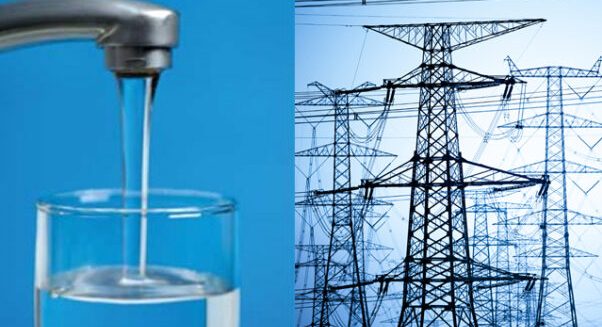
The appeal comes after PURC announced a 3.49 per cent increase in electricity tariffs and a 0.85 per cent increase in water tariffs for the third quarter of 2026.
According to INSTEPR, its assessment of the latest tariff review uncovered what it described as inconsistencies in the methods used by PURC over the years.
The institute explained that the Quarterly Tariff Adjustment mechanism is intended to reflect changes in four key factors that influence utility costs:
It says the cedi-to-dollar exchange rate, inflation, the electricity generation mix, and fuel costs, particularly natural gas.
The mechanism was introduced to prevent utility providers from either under-recovering or over-recovering revenue.
INSTEPR noted that under-recovery can affect the ability of utility companies to deliver reliable electricity and water services, while over-recovery places an unnecessary burden on consumers.
“The process therefore helps the Commission to maintain the real value of the tariffs over the adjustment period,” the statement said.
However, the institute argued that PURC has not applied a consistent approach in calculating tariff adjustments. It said the Commission has at times relied on historical data and, in other instances, used forward rates to determine projected weighted averages.
According to INSTEPR, this apparent shift between methodologies makes it difficult for analysts and consumers to evaluate the fairness and consistency of tariff decisions.
“Switching between these methodologies makes it difficult to analyse the consistency of tariff adjustments undertaken by the Commission,” the statement noted.
The think tank also questioned the basis for the latest tariff increases, insisting that the figures presented by PURC do not support the proposed adjustments.
It pointed to data contained in the Commission’s June 22, 2026, statement, which showed that the cedi depreciated by only 0.2 per cent during the review period.
At the same time, inflation fell by 17.74 per cent, while the Weighted Average Cost of Gas (WACOG) declined by 1.58 per cent.
INSTEPR further noted that PURC did not report any under-recoveries from the previous quarter that would justify higher tariffs.
Given these factors, the institute said it was difficult to reconcile the proposed electricity and water tariff increases with the regulator’s own data.
It therefore appealed to PURC to suspend the third-quarter tariff adjustment to ease pressure on consumers already facing high living costs.
INSTEPR also urged the Commission to establish and consistently apply a standard methodology for future quarterly reviews,
It said that a uniform approach would strengthen transparency, boost public confidence and make it easier for stakeholders to understand and assess tariff decisions.