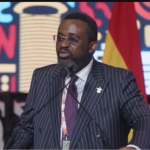
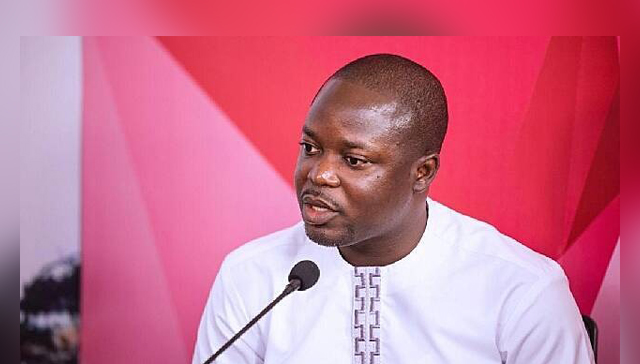
The Executive Director of the Centre for Environmental Management and Sustainable Energy (CEMSE), Benjamin Nsiah, has raised concerns over the government’s decision to terminate Zoomlion Ghana Limited’s dredging contract, arguing that the move may have contributed to the worsening flood situation in parts of the country.
Speaking during an interview, Mr. Nsiah said the cancellation of the contract has left a significant gap in the country’s flood prevention efforts, as no effective replacement has been introduced more than a year after the decision was taken.
According to him, while flooding in Ghana is caused by several factors, the absence of a structured and large-scale dredging programme has made it more difficult to manage drains and waterways, especially during the rainy season.
“The cancellation of the Zoomlion contract was unnecessary because, one year later, there is still no alternative arrangement in place,” he stated.
Mr. Nsiah noted that although Cabinet approved the termination of the contract, authorities have failed to implement a comprehensive strategy to replace the services previously provided under the arrangement.
He argued that regular dredging and maintenance of drains remain critical in reducing the impact of floods across the country.
He further questioned whether the cost of responding to annual flood disasters now exceeds what the government would have spent on maintaining the dredging contract.
“If the National Disaster Management Organisation (NADMO) provides figures on how much is spent dealing with floods every year, many people may conclude that it would have been better to continue with the dredging programme,” he said during the interview on Kessben.
The environmental policy expert stressed that public officials must be held accountable for decisions that have far-reaching environmental and economic consequences.
He maintained that if the financial and social costs of flooding are found to be higher than the expenditure on the former contract, those responsible for terminating it should be called to account.
Beyond flooding, Mr. Nsiah also expressed concern about increasing levels of air pollution in Ghana’s major cities, particularly Accra.
He identified vehicle emissions, industrial waste, dust from construction activities and the burning of refuse at dumpsites as major sources of pollution.
He explained that fuel quality and poorly maintained vehicle engines contribute significantly to harmful emissions, while open burning of waste releases smoke that can cause respiratory diseases and other health complications.
Mr. Nsiah further pointed to activities in agriculture, forestry, land use, the energy sector and plastic waste management as key contributors to environmental degradation.
He called for stricter enforcement of environmental regulations and urged both government and private stakeholders to adopt sustainable practices to protect public health and preserve the environment.