The government has constituted a special committee to address growing concerns over rising hostel accommodation fees across tertiary institutions in Ghana amid increasing complaints from students and parents about affordability challenges.
The committee, according to authorities, includes representatives from the Ministry of Education, the Ghana Tertiary Education Commission (GTEC), and university management bodies, including vice-chancellors of public universities.
The move forms part of ongoing consultations aimed at finding a balanced and sustainable solution to the growing accommodation crisis affecting students nationwide.
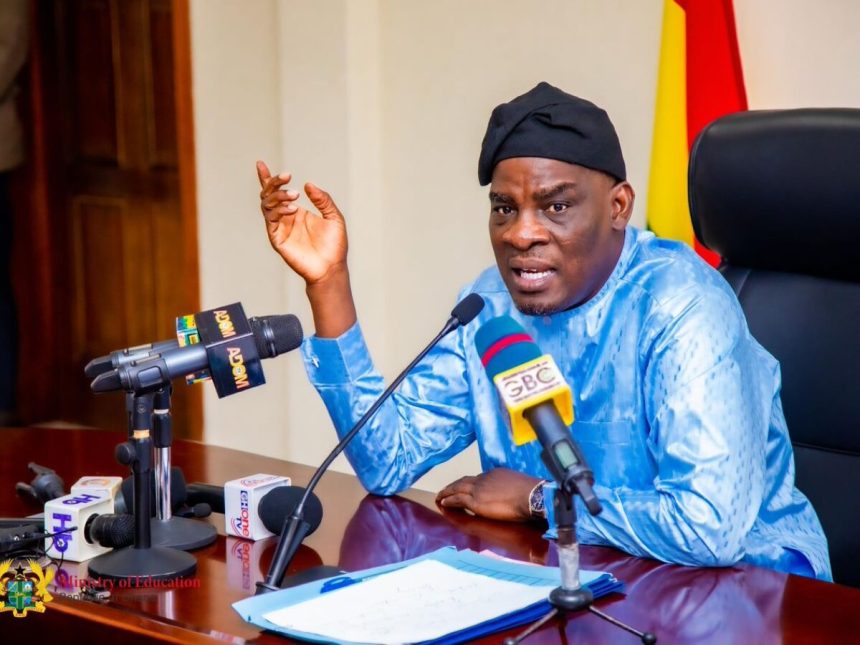
Speaking during the inauguration of governing councils for Jasikan College of Education and the University of Engineering and Agricultural Sciences, Minister for Education Haruna Iddrisu expressed concern about the sharp increase in hostel charges, especially around university campuses.
According to him, although private investment in hostel infrastructure remains important, the government will not allow profit-making interests to override the welfare of students and families already struggling with the rising cost of living.
Mr. Iddrisu stressed that public-private partnerships within the education sector must operate responsibly and within reasonable limits to avoid exploitative pricing practices.
The latest intervention follows mounting pressure from student groups and stakeholders over what many describe as unjustified hostel fee hikes in recent years.
The National Union of Ghana Students (NUGS) recently petitioned the Rent Control Department, demanding urgent action against what it called arbitrary and exploitative pricing by some private hostel operators near tertiary institutions.
In its petition, NUGS alleged that some hostel owners continue to impose excessive rent advances, increase fees without proper notice, and ignore provisions of Ghana’s rent laws governing tenancy arrangements.
The student body warned that the situation is creating financial hardship for many students and threatening access to higher education.
Similarly, the Graduate Students’ Association of Ghana (GRASAG) has backed calls for government intervention, describing rising hostel accommodation costs as a major burden on students already dealing with tuition fees, transportation expenses, and the high cost of living.
The issue has also attracted comments from Acting Rent Commissioner Frederick Opoku, who recently stated that while hostel operators deserve fair returns on their investments, accommodation charges must still undergo proper assessment and regulation to ensure fairness for both investors and tenants.
Authorities say the newly formed committee will continue engagements with university authorities, hostel operators, student leaders, and other stakeholders in an effort to establish clearer guidelines and a more balanced pricing framework for student accommodation nationwide.