Ghana’s gross international reserves have declined to about US$11.1 billion as of the end of August 2026, cutting the country’s import cover to 4.2 months.
The latest figures represent a sharp drop from the US$14.16 billion recorded in March and have raised concerns at the Bank of Ghana (BoG) about emerging pressure on the country’s external position.
The reserves stood at US$12.94 billion at the end of June before falling by a further US$1.87 billion over the following two months.
The decline means Ghana has lost about 1.5 months of import cover since the end of 2025, when reserves were equivalent to 5.7 months of imports.
The development comes despite strong export earnings recorded during the first half of the year.
According to the BoG, Ghana posted a trade surplus of US$8.8 billion in the first six months of 2026, supported mainly by gold and cocoa exports.
The country also recorded a current account surplus of US$5.1 billion during the period.
However, the recent fall in reserves has prompted the central bank to closely monitor developments that could place further pressure on the foreign exchange position.
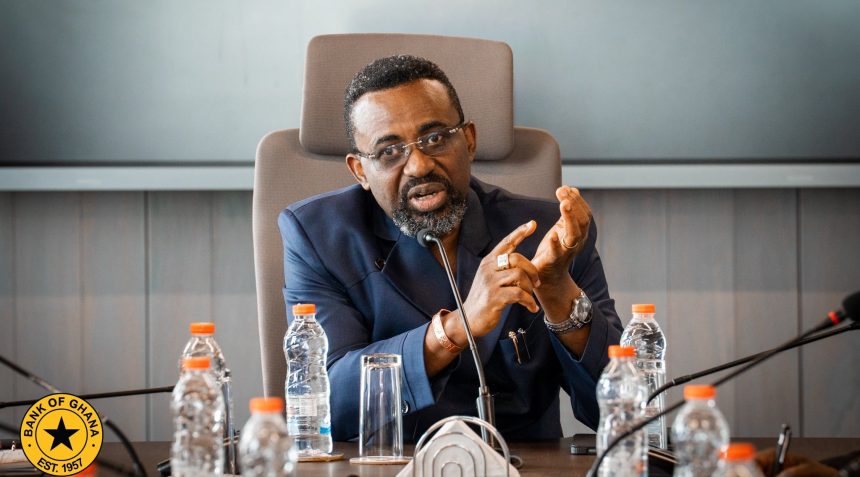
BoG Governor, Dr. Johnson Pandit Asiama, identified the declining reserves, a projected current account deficit and the suspension of gold exports by the Ghana Gold Board (GoldBod) since mid-August as key risks.
He said these developments would be important considerations for the Monetary Policy Committee as it weighs inflation, exchange-rate stability and economic growth.
Dr. Asiama stressed that rebuilding Ghana’s reserves would be a major priority for the central bank in the coming months.
The pause in GoldBod’s gold exports has also introduced uncertainty, given the importance of gold to Ghana’s export earnings and foreign exchange inflows.