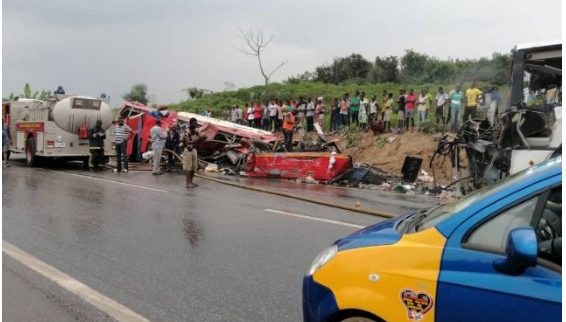
Ghana is losing an average of eight people every day through road crashes, according to a member of the Public Accountability Committee of the Ghana Institution of Engineering (GhIE), Ing Dr. Charles Kwarteng Asafo-Adjei.
He said the situation has worsened over the years, noting that the estimated daily death rate was about six people between 2001 and 2003.
Dr. Asafo-Adjei disclosed this on Thursday, August 27, 2026, during a discussion on the state of Ghana’s road infrastructure and road safety.
He attributed the increase in road deaths to several factors, including the growing demand for road transport, poor road conditions and inadequate maintenance.
“In the past, between 2001 and 2003, an average of about six people died each day. Currently, I think it is around eight, and with the high demand for transport, it is getting worse,” he said.
According to him, the current figure could translate into between 2,000 and 3,000 deaths annually. He stressed that the number does not include the thousands of people who survive crashes but suffer serious injuries or permanent disabilities.
Dr Asafo-Adjei was speaking after the GhIE’s latest infrastructure scorecard rated Ghana’s road safety performance E2, putting it close to the lowest level on the assessment.
He warned that road crashes were also placing additional pressure on the country’s health facilities, as hospitals continue to treat victims of accidents.
“The hospitals are under pressure. If you go to any of the wards and really want to understand, the evidence is in the hospitals,” he said.
The engineer called for stronger measures to reverse the trend, including regular road maintenance, stricter enforcement of traffic laws and continuous public education on road safety.
He also urged authorities to identify and address dangerous roads and accident-prone areas. He said data from hospitals could help identify locations where crashes occur frequently and guide authorities in planning targeted interventions.