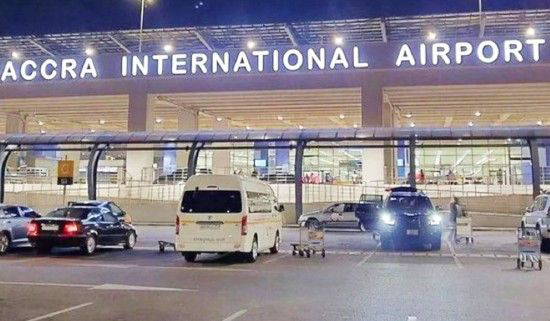
The Ghana Airports Company Limited (GACL) has barred two Port Health officers from working at Accra International Airport and other airports under its management after they were found to have overcharged a passenger for a Yellow Fever Card.
The two officers, who were stationed at Terminal 3 of the Accra International Airport, reportedly charged a foreign passport holder US$40 for the card instead of the approved fee of US$20.
The incident occurred on August 5, 2026, according to GACL.
Following an investigation into the complaint, the company withdrew and deactivated the officers’ identification cards, effectively preventing them from operating at the airport.
GACL said the two officers were no longer permitted to work at Accra International Airport or any other airport managed by the company as of Thursday, August 6.
The action forms part of a wider campaign by GACL to tackle alleged extortion and other forms of misconduct at Ghana’s airports.
The company recently introduced several measures to improve accountability and protect passengers from illegal charges.
These include a “mystery shopping” programme, a “name and shame” policy, tougher disciplinary measures and a dedicated hotline for reporting extortion.
Under the mystery shopping initiative, undercover individuals will be deployed to monitor services at the airports and identify officials who demand unauthorised payments from passengers.
GACL said personnel found guilty of extortion would face disciplinary action and could be banned from working at airports or within their surroundings.
The company has also taken note of a viral video involving a Ghana Immigration Service officer who was allegedly heard demanding money from a passenger for “breakfast.”
According to GACL, the Ghana Immigration Service has confirmed that the officer involved has been transferred from the airport.
The latest sanctions come amid growing public concerns about passengers being asked to make unofficial payments for services at Ghana’s airports.
The company urged passengers to play an active role by reporting suspected cases of extortion through its dedicated reporting channel.
It encouraged travellers to follow its campaign message: “Spot it. Record it. Report it”.