The Food and Beverages Association of Ghana (FABAG) is advocating for structural reforms in the power sector, warning that ongoing increases in electricity tariffs are hindering industrial development and further straining manufacturers already facing constraints.
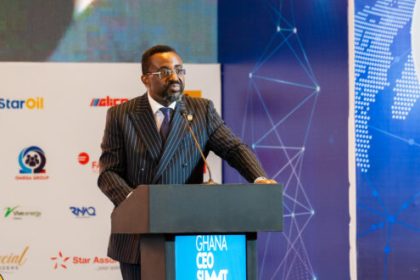
Rev. John Awuni, the association’s Executive Chairman, contends that the nation’s strategy for addressing issues in the electricity sector has become excessively reliant on tariff hikes instead of addressing the inefficiencies that continue to afflict utility providers and consumers alike.
His remarks come in the wake of the recent tariff review conducted by the Public Utilities Regulatory Commission (PURC), which revealed a 3.49 per cent increase in electricity tariffs for all consumer categories and a 0.85 per cent rise in water tariffs, effective July 1, 2026.
The PURC indicated that these adjustments were influenced by significant macroeconomic factors, including inflation trends, fluctuations in exchange rates, fuel prices, and alterations in the electricity generation mix.
Nevertheless, Rev. Awuni asserts that the ongoing tariff increases are not addressing the core operational and financial issues facing the sector.
“The persistent increases in electricity tariffs are a complete disincentive for industrial development,” he stated.
Industry stakeholders have repeatedly recognised energy costs as one of the primary obstacles to business growth in Ghana, especially in the manufacturing and agro-processing sectors, where electricity represents a substantial portion of production costs.
Rev. Awuni notes that rising utility charges are increasingly hindering businesses from expanding their operations, remaining competitive, and generating employment.
He warned that although tariff reviews might offer temporary financial relief to utility providers, they do little to enhance efficiency throughout the electricity value chain or address long-standing structural weaknesses.
“Continuous adjustments of electricity tariffs will never make the utility sector efficient, will never make the industrial sector develop, and will never bring illegal users of electricity into a legal space,” he stated.
The FABAG Chairman also disputed the idea that the challenges facing Ghana’s power sector are due to low electricity prices, asserting instead that the primary issues lie in management inefficiencies, revenue collection, and distribution.
He pointed out that Ghana already ranks among the countries with relatively high electricity costs in the sub-region, indicating that further increases in tariffs could jeopardise the competitiveness of local industries and deter new investments.
Rev. Awuni urged policymakers to implement more innovative and sustainable reforms that tackle inefficiencies, minimise losses, and enhance operational performance across the sector.
“We must begin to face the bull by the horns, and facing it by the horns is not the continual adjustment of electricity tariffs. That is a very lazy way of dealing with the inefficiency of the power sector,” he said.
The concern is that ongoing increases in energy costs could weaken industrial output, hinder investment, and undermine Ghana’s broader industrialisation agenda at a time when policymakers are striving to boost economic growth and create jobs.
Rev. Awuni cautioned that unless policymakers embrace bold and creative solutions to confront the sector’s fundamental challenges, Ghana risks eroding investor confidence and constraining the growth potential of its productive industries.