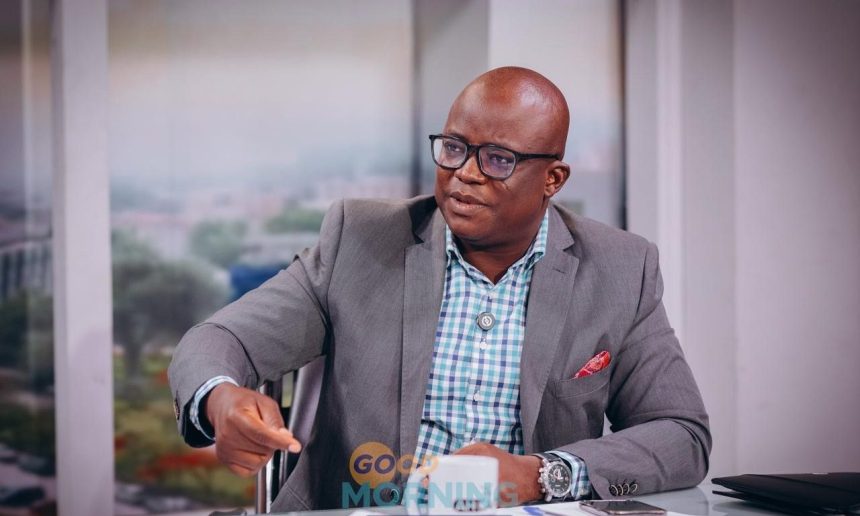
Senior Fellow at Africa Policy Lens (APL), Dr. Joshua Zaato, has raised concerns over what he describes as the growing use of criminal law against people for expressing their views in Ghana.
According to him, the increasing prosecution of individuals over speech and social media activity, coupled with restrictive bail conditions, could undermine democratic freedoms and threaten the country’s democracy.
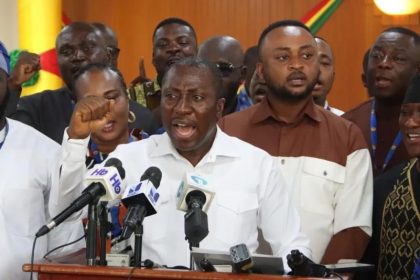
Dr. Zaato made the comments during an interview on Saturday, August 8, 2026. His remarks come amid renewed political debate over democratic governance and civil liberties, following the New Patriotic Party’s (NPP) “Democracy Under Attack” demonstration held on Thursday, August 6.
The NPP said the protest was intended to draw attention to concerns over the rule of law, constitutional governance, political persecution and the alleged selective use of state institutions.
Dr. Zaato said the growing number of cases involving people over statements they make was worrying and described the development as an increasing criminalisation of free speech.
He referred to an analysis by journalist Samson Lardi Ayenini, which he said indicated that the prosecution of people over social media posts under the current administration was occurring at an unprecedented rate compared with the previous Akufo-Addo government.
Dr. Zaato cautioned that Ghana should avoid developments where citizens could face criminal sanctions simply for expressing opinions, particularly on digital platforms.
Beyond prosecutions, Dr. Zaato expressed concern about the conditions imposed on individuals who are granted bail in cases connected to their speech.
He cited complaints from some prominent lawyers who, he said, believe bail conditions are increasingly being used as a means of punishing accused persons rather than ensuring their appearance before the court.
He argued that bail should protect the rights of accused persons and should not become another avenue for restricting legitimate expression.
He urged authorities to be mindful of the broader democratic implications of criminalising speech, particularly in a country where freedom of expression is constitutionally protected.