

The Minority Chief Whip, Frank Annoh-Dompreh, has strongly rejected claims that maize grown in Ghana is not good for poultry feed.
He described these claims as “blatant lies” that are being spread on purpose to justify importing maize from other countries instead of supporting local farmers.
He made these remarks on Tuesday, April 14, during a meeting with farmers and traders in Atebubu-Amantin in the Bono East Region.
According to him, some government officials who have personal interests in import businesses are behind these claims.
Mr Annoh-Dompreh believes this narrative is part of a larger plan to weaken trust in locally produced food and make room for cheaper imported maize, especially from Brazil.
He stressed that Ghanaian maize is nutritious and suitable for poultry, warning that such false information could damage the country’s agriculture sector.
His comments come at a time when farmers in the area are facing serious challenges. Those who produce maize, rice, yams, and cashews say they are struggling to sell their goods.
During the meeting, farmers explained that prices have dropped sharply. For example, a bag of maize that used to sell for about GH¢1,600 now goes for as low as GH¢200.
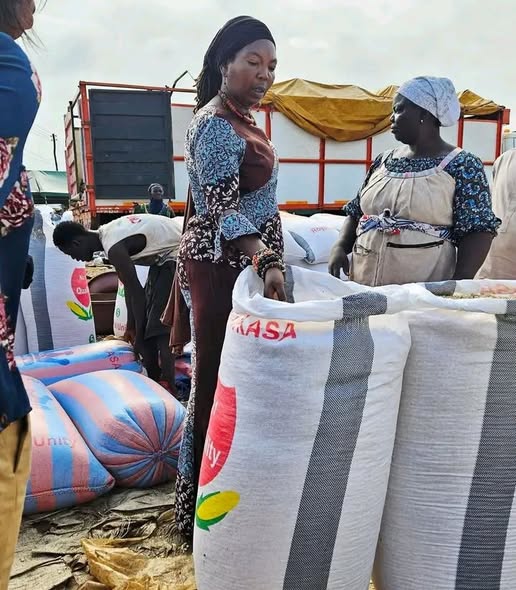
They also expressed frustration over reports that GH¢200 million had been allocated to the Buffer Stock Company. According to them, despite this announcement, the government has not bought their produce, leaving much of it to spoil.
Farmers further complained about the high cost of inputs such as fertilisers and labour. They said this situation does not match official claims that inflation is going down.
Many added that they are now forced to depend on middlemen who set very low prices, putting them under serious financial pressure.
Women traders at the Atebubu market were particularly affected. Some became emotional and broke down in tears, accusing the government of failing to keep promises made before the 2024 elections.
In response, Mr Annoh-Dompreh criticised the government for not releasing enough funds to support farmers. He argued that the increasing importation of rice and maize has weakened the local market.
The member of parliament called on the government to act quickly by strengthening the Buffer Stock Company so it can buy local produce, help stabilise prices, and rebuild trust in the agricultural sector.
He also encouraged people to support locally produced rice, pointing out its health benefits.
According to him, Ghanaian rice contains natural fibre “roughage,” which is often removed from imported rice during heavy processing, making local rice a healthier option.
The meeting in Atebubu is part of a nationwide tour by the Minority caucus to engage farmers and better understand the challenges they face.
The group says it is committed to speaking up for farmers and pushing the government to address what it calls poor priorities and take urgent steps to save the sector.
Frank Annoh-Dompreh has exposed what he describes as false claims about local maize production. While farmers continue to struggle, imported products are taking over the market and affecting their livelihoods.
This, he argues, is not just a policy failure but a direct threat to Ghana’s agriculture.








Đây là một trong những trang game tôi thích nhất 188v link TONY06-25