The Ghana Chamber of Telecommunications has raised concerns about the sharp rise in fibre cuts across the country, warning that the situation is putting serious pressure on telecom operators.
Chief Executive Officer Sylvia Owusu-Ankomah said the industry is now recording more than 8,000 fibre cuts every year, compared to about 400 annually during the early stages of network expansion.
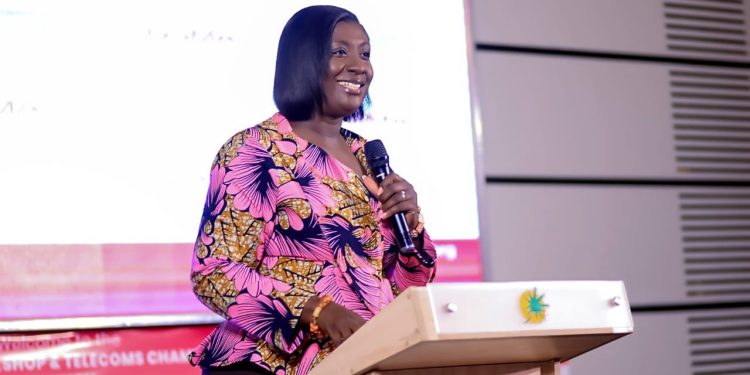
Speaking to the media on the sidelines of the Chamber’s 15th anniversary soft launch, she explained that operators are being forced to spend heavily on repairs and maintenance instead of investing in network expansion and service improvements.
She noted that the increase in fibre cuts is partly linked to the rapid growth of telecom infrastructure over the years, which has helped boost internet penetration in Ghana from around 4 percent to over 70 percent.
According to her, fibre cuts remain one of the biggest threats to network stability and reliable service delivery in the country.
“We are experiencing over 8,000 cuts per annum when it comes to fibre cuts, which is increasingly a strain on our operators’ resources. Resources and investment that could have been used to ensure new rollouts, you find them using it to ensure they are meeting their quality obligations by repairing those fibre cuts.
“So we want to make sure that the 15-year journey counts for something, and so one of the key milestones, as I said, we want to stop the conversation around fibre cuts and get more progressive as a country,” she remarked.
To tackle the issue, the Chamber is advocating for the implementation of the proposed “dig once” policy, which would require fibre duct infrastructure to be included in major road construction projects.
The Chamber believes the policy will improve network resilience by giving telecom operators access to protected underground ducts, reducing the risk of damage to fibre cables.
Industry players are also seeking government support to fast-track the policy, especially as discussions are already said to be at Cabinet level.
According to the Chamber, solving the fibre cut problem is essential for maintaining network quality and supporting Ghana’s future digital growth.
“This [fibre cuts] has been a plague of the industry for quite a while and we believe Ghana has matured enough to put a stop to it. That is why for us the “dig once” policy needs to come to life this year,” Sylvia Owusu-Ankomah added.