Some commercial drivers in Kumasi are calling on the government to introduce measures to regulate the prices of goods and services on the market.
The demand follows the recent 8% adjustment in transport fares, which has renewed discussions about the rising cost of living and the factors contributing to higher prices of goods.
The drivers argue that while transport fares are subject to negotiations and regulatory oversight, traders have considerable freedom to determine the prices of their goods.
They contend that transport operators are often blamed whenever fares are increased, even though the adjustments are negotiated through recognised transport unions and with government involvement.
One driver questioned why traders should be able to set prices without similar oversight.
According to the drivers, some traders continue to increase prices even when fuel prices or transport fares decline. They believe such practices place additional pressure on consumers and contribute to the high cost of living.
They have therefore urged the government to consider establishing a mechanism to monitor and regulate the prices of goods to promote fairness and protect consumers.
The drivers also appealed to the public to avoid attributing every increase in the prices of goods and services to transport operators.
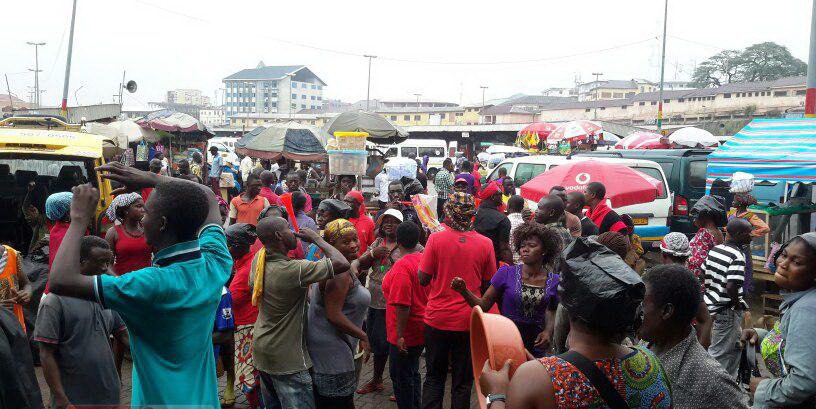
Some petty traders at the Kejetia Market, however, acknowledged the concerns while explaining that traders also face rising operational costs, including rent, import duties and high wholesale prices.
One trader admitted that some sellers increase prices excessively but said many are compelled to adjust their prices because they purchase goods from wholesalers at already elevated prices.
Another trader supported price controls, arguing that a regulated system could promote uniformity and reduce disputes between traders and customers.
The traders and drivers warned that unchecked price increases could undermine efforts to improve economic conditions and ease the burden on ordinary Ghanaians.