The Ghana Revenue Authority (GRA) has stepped up public education on goods that are prohibited or restricted from being imported into or exported from Ghana.
The education forms part of the GRA Connect radio campaign, which seeks to help taxpayers and the public understand Customs regulations, their rights and responsibilities, and the taxes and duties administered by the Authority.
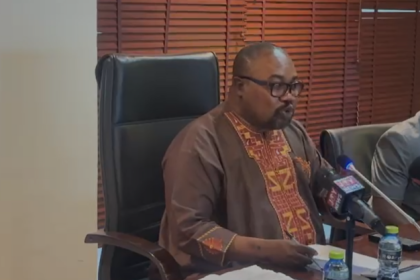
Speaking in an interview on Tuesday, August 25, 2026, Senior Revenue Officer at the GRA’s Tema Collection, Charles Okrah, explained that prohibited goods are items that cannot legally be brought into or taken out of the country.
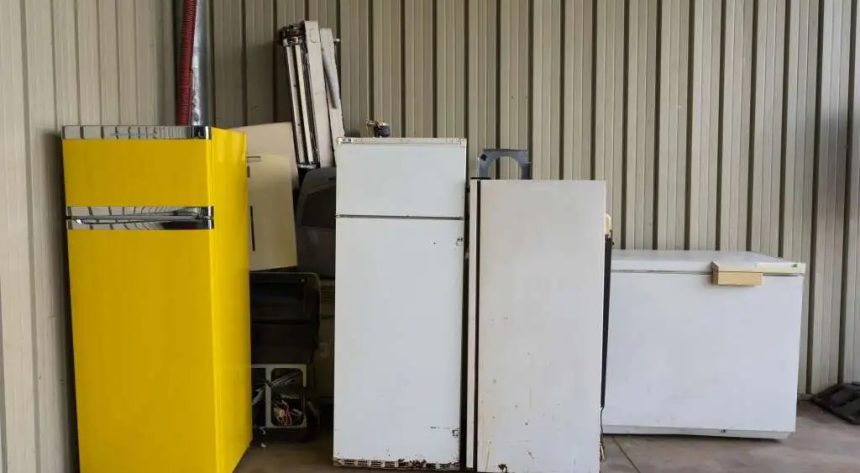
He mentioned animal carcasses and some used personal items, including underwear and sanitary products, among goods that are not allowed into Ghana. Used refrigerators and air conditioners were also cited as prohibited items.
Mr Okrah said Customs officers have the authority to detain and seize such goods when they are discovered at Ghana’s borders.
The GRA’s official Customs guidelines confirm that prohibited imports include goods banned by law, while restricted items may only be brought into the country after the importer obtains the required licences, permits or certificates.
On exports, Mr Okrah highlighted rosewood as one of the products that cannot legally be transported out of Ghana. The GRA’s export regulations list round logs of several species, including rosewood, among prohibited exports.
He urged importers and exporters to check Customs requirements before moving goods across Ghana’s borders.
Items such as firearms, ammunition and other regulated products require approval from the appropriate government agencies before they can be imported.
The GRA said the restrictions are intended to protect public health and safety, safeguard the environment and prevent revenue losses.
Importers are also required to provide the necessary documentation and permits when clearing goods. Failure to comply with Customs rules can lead to the seizure of goods and other legal consequences.