The recent appreciation of the Ghanaian cedi should not be judged only by how much the currency has gained in value.
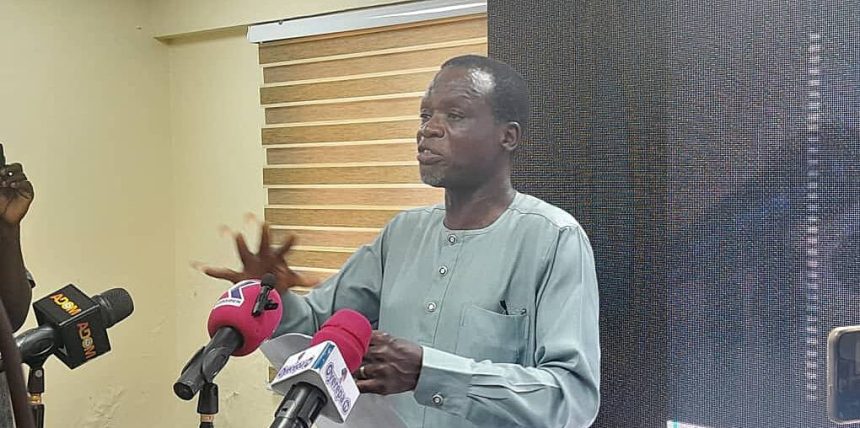
According to economist and President of African Policy Lens (APL), Dr. George Domfe, the more important issue is the reason behind the appreciation and whether it can be sustained.
Domfe argues that a stronger cedi can result from two main factors: intervention by the Bank of Ghana (BoG) or improvements in the country’s economic fundamentals.
He noted that BoG interventions, including supplying foreign currency to the market, can help strengthen the cedi and reduce the cost of imported goods. This could provide short-term relief by lowering the cost of fuel, machinery, raw materials and other imports.
However, he warned that relying heavily on central bank intervention could create problems for local businesses if domestic production does not improve at the same time.
“If foreign exchange is supplied artificially to support the currency while the underlying productive capacity of the economy remains weak, the apparent strength of the cedi may not necessarily represent an improvement in economic fundamentals,” he said.
Domfe stressed that Ghana should focus on building an economy that produces competitively, creates jobs and generates foreign exchange through exports.
“A strong cedi is good. But a strong cedi arising from a strong productive economy is infinitely better,” he said.