Ghana’s Domestic Gold Purchase Programme (DGPP) played a key role in strengthening the cedi and rebuilding the country’s foreign exchange reserves during the economic crisis, but the initiative also resulted in losses of about US$1.7 billion for the Bank of Ghana (BoG) in 2025, according to the International Monetary Fund (IMF).
The findings were contained in the IMF’s latest assessment of the programme, which described the initiative as an important tool in helping Ghana navigate its debt crisis.
The Fund noted that the scheme increased foreign exchange inflows, boosted international reserves and contributed to stabilising the economy at a critical period.
However, the report revealed that the programme generated losses equivalent to 1.5 percent of Ghana’s Gross Domestic Product (GDP) in 2025, a significant increase from the estimated US$400 million recorded in 2024.
The losses arose because the central bank purchased gold at exchange rates higher than its official reference rate while also paying discounts to exporters and operational fees to firms involved in the programme.
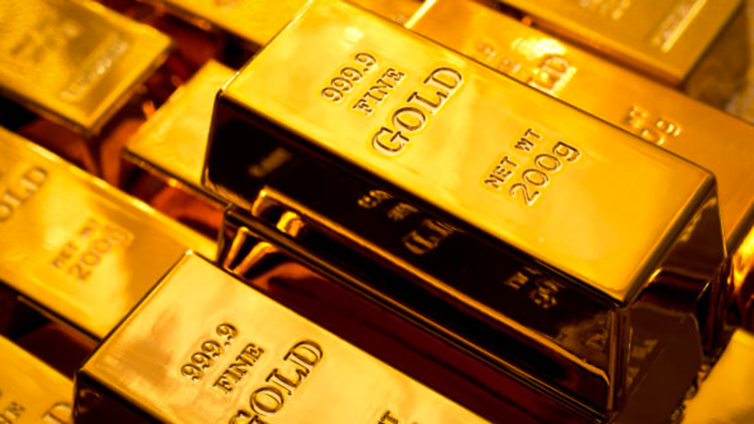
Launched in 2021 during a period of severe foreign exchange shortages, the DGPP allowed the Bank of Ghana to buy gold from local producers in cedis, refine it and sell it on the international market to strengthen reserves and finance essential imports such as fuel.
During the year 2025, the central bank purchased and exported 104 tonnes of gold from artisanal and small-scale miners, in addition to US$1.26 billion worth of gold acquired from large-scale mining companies.
As a result, gold-related foreign exchange inflows surged from US$1.7 billion in 2023 to US$12.7 billion in 2025. This enabled the Bank of Ghana to inject US$10.6 billion into the foreign exchange market while increasing gross international reserves to US$11.9 billion, enough to cover about four months of imports.
The IMF observed that gold has become Ghana’s leading export commodity, accounting for more than half of the country’s export earnings, largely due to increased production from artisanal and small-scale mining.
Despite these gains, the Fund warned that Ghana’s growing dependence on gold exposes the economy to fluctuations in global gold prices.
A sharp decline in prices, it cautioned, could reduce foreign exchange earnings, weaken the cedi, slow economic growth and worsen the Bank of Ghana’s financial position.
On July 1, 2026, responsibility for the Domestic Gold Purchase Programme was transferred from the Bank of Ghana to the newly established Ghana Gold Board (GoldBod).
According to the IMF, the move is expected to significantly reduce operating expenses, with transaction costs projected to fall from 14.5 percent of the value of gold purchased in 2025 to 5.4 percent under the new arrangement.