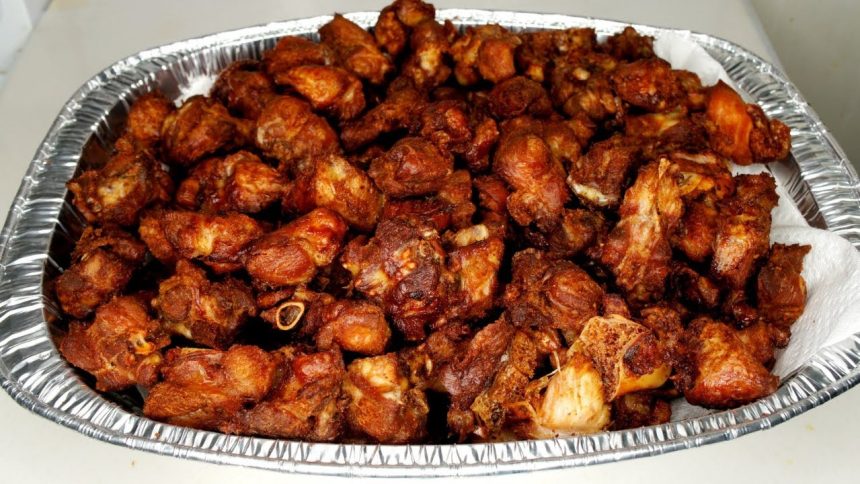
The Food and Drugs Authority (FDA) has explained why turkey tail, widely known in Ghana as tsofi, is still being sold in some markets even though the country banned it more than 20 years ago.
The FDA said the product remains difficult to remove completely from the food market because importers often hide it among other frozen foods during shipment.
Ghana banned turkey tail in 1999 after health experts raised concerns about its high fat content and the dangers linked to eating it regularly.
Health officials have consistently warned that the product contains unhealthy amounts of fat. They say frequent consumption can increase the risk of obesity, high blood pressure, heart disease, and other health problems.
In spite of the ban, some traders and cold stores continue to sell turkey tail in different parts of the country. This situation has renewed concerns among both regulators and consumers.
The issue gained fresh attention after the FDA stepped up warnings about the continued sale of the banned product in the frozen food sector.
The Deputy Chief Executive of the FDA’s Food Division, Roderick Kwabena Daddey-Adjei, admitted on-air that officials face major challenges when trying to detect and stop turkey tail imports at the country’s ports and borders.
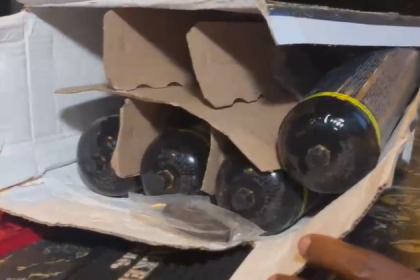
He explained that some smugglers and importers conceal the banned meat inside shipments containing other frozen products.
Because inspection officers usually examine selected samples instead of every single item, identifying the product immediately can be difficult.
“It might be that people will use some unapproved routes. Some will even be able to use the port. But like I said, it is frozen, and then it is mixed up with other items in the consignment.
“When we are doing inspections, it is not like a 100 percent check. You sample, then pick, and then look at it. But lately, even for those who are bringing in frozen meat, there has been a concern for some contraband. Authorities will be doing what we call ‘side verification inspections’ with those who bring in frozen products,” he said.