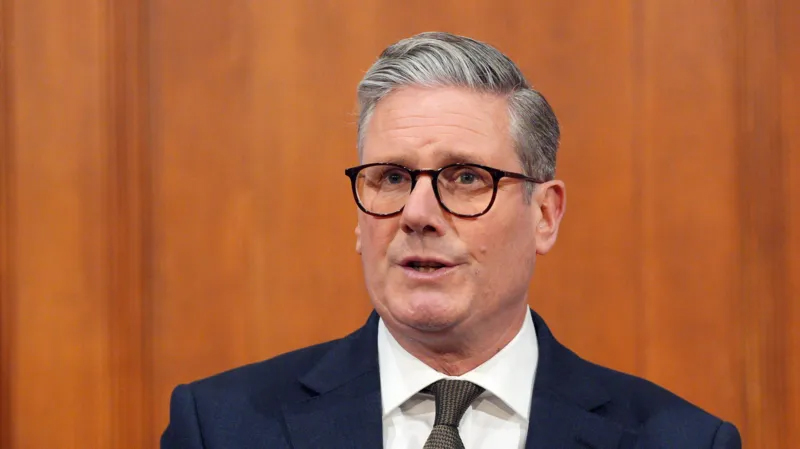
Prime Minister Sir Keir Starmer has given technology firms, including Apple and Google, three months to strengthen protections that stop children from accessing, sharing or creating nude images on smartphones and tablets.
Speaking at London Tech Week, Starmer urged major technology companies to use existing safety tools or update their operating systems to better protect under-18s online.
“This is not an impossible challenge. These are some of the most innovative companies in the world and I believe they can solve it,” he said.
The government warned that it will introduce legislation if companies fail to act voluntarily within the deadline. Ministers said possible measures could include financial penalties and, in extreme cases, criminal liability for firms that do not comply.
The proposed changes would apply to both new and existing devices used by children in the UK. However, adults who verify their age would not be affected.
“Legislation could cover operating system providers and others in the supply chain, such as retailers, and will not affect the use of devices owned and used by adults who verify their age,” Sir Keir said.
A Google spokesperson said the company was “deeply committed to protecting children online”.
“We are working constructively with UK partners to find effective, privacy-preserving solutions that deter the spread of harmful content while ensuring a safe digital environment for young people.”
Apple has already introduced age-verification measures for UK users and provides content-blocking tools across its services, including iMessage.
The announcement comes amid growing concern about online grooming, sextortion and children’s exposure to explicit content.
Government figures suggest that 91% of online child sexual abuse reports recorded in 2024 involved self-generated images.
Officials also said the average child now encounters pornography by the age of 13.
The move follows existing online safety measures, including the Online Safety Act, which is enforced by Ofcom.
However, campaigners have continued to call for stronger action.
Home Secretary Shabana Mahmood said technology firms “have a moral duty to act by making it impossible for children to take, share or view nude images. If they don’t, we will legislate”.
Technology Secretary Liz Kendall added that Companies should switch these protections on by default, for every child, on every device.
The plans have received a mixed response as Andy Burrows, chief executive of the Molly Rose Foundation, described the proposal as “an important step forward for child protection”, but criticised what he viewed as rushed policymaking.
Privacy campaign group Big Brother Watch also opposed the proposals.
The NSPCC, however, backed the move.