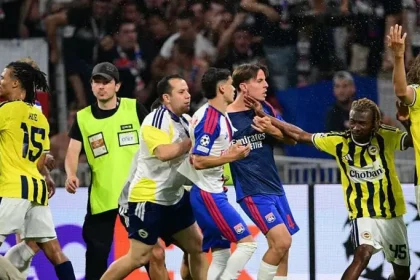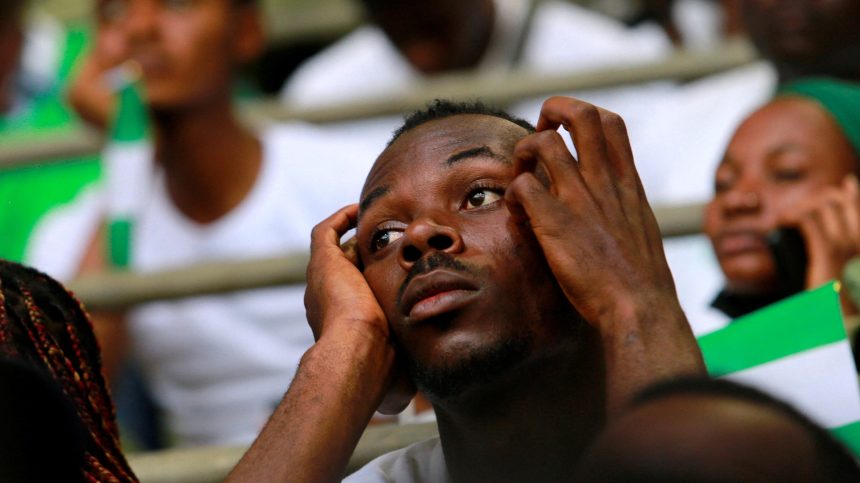
African teams have repeatedly suffered heartbreaking late goals at the FIFA World Cup over the past three decades, with several key matches turning in the final minutes or during extra time.
The trend is often traced back to the 1990 quarter-final between Cameroon and England, where the Indomitable Lions led 2-1 for most of the match before conceding late and eventually losing 3-2 after extra time.
Since then, similar late collapses have become a recurring theme for African sides on the global stage.
Data from past tournaments suggests that African teams have conceded more than 20 decisive goals after the 75th minute or in extra time since 1990.
In addition, around 15 World Cup matches involving African nations have ended in disappointment due to late goals that either eliminated them or cost them valuable points.
Several teams have been affected across different editions of the tournament, including Ghana, Cameroon and Morocco.
Ghana, in particular, has experienced painful late setbacks in 2010, 2014 and 2022, while Cameroon and Morocco have also suffered similar exits in earlier competitions.
The issue has also appeared in the 2026 World Cup. Ivory Coast conceded in the 87th minute, the Democratic Republic of Congo and Senegal both conceded in the 86th minute after holding leads, while South Africa conceded in stoppage time (90+2) in a crucial moment.
These late goals have often changed the course of matches and, in some cases, entire tournament campaigns. This pattern has created a psychological challenge for African teams, especially when defending narrow leads in high-pressure knockout or group-stage games.
Football psychologists argue that this recurring issue has created a mental barrier, giving opposing teams added belief even when trailing heavily.
The perception that African sides are vulnerable in the final stages of matches has sometimes influenced how opponents approach late-game situations.
While the term “mentality block” is often used in football debates to describe such trends, coaches and analysts continue to stress that improvements in game management, tactical discipline and experience are key to addressing the issue.
Despite these setbacks, African teams continue to show growth and competitiveness at the World Cup, with many performances reflecting progress on the global stage. However, overcoming late-game lapses remains an important challenge for future tournaments.