A decline in cocaine seizures and media reports on drug trafficking in Ghana may be linked to alleged political protection of the illicit trade, according to the 2025 Global Organised Crime Index.
The report cites concerns from law enforcement officials and civil society stakeholders who believe that the reduced visibility of cocaine trafficking may not necessarily mean the trade has declined.
“As cocaine seizures have declined and media coverage has decreased, law enforcement officials and civil society stakeholders suggest that political protection being given to illicit markets, particularly the cocaine trade, by sections of the government is the main reason for a drop in visible trafficking,” the report states.
The report also identifies Ghanaian organised crime groups as significant players in the international cocaine trade.
“Ghanaian organised crime groups have also emerged as big players in the global cocaine trade,” it states.
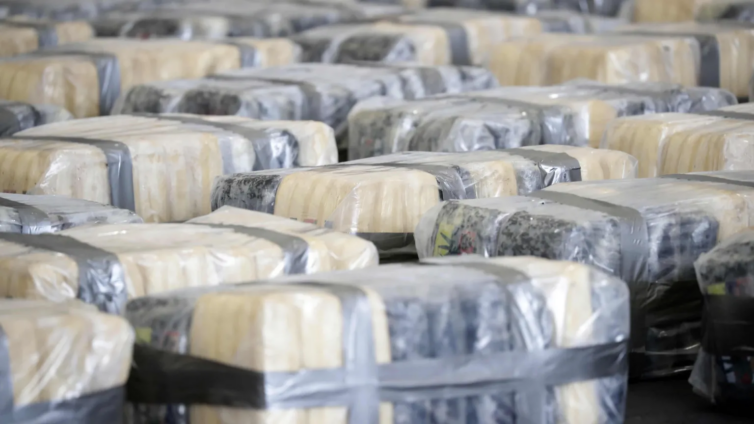
On the movement of cocaine into Ghana, the report identifies Brazil as the main source of shipments arriving by sea.
“Brazil remains the primary source country for cocaine imported by sea, often concealed in sugar containers and transported through trans-shipment points such as Spain or Turkey before reaching Ghana’s ports at Tema, and to a lesser extent Takoradi.”
The report therefore places Ghana within an international cocaine trafficking network linking South American source countries, transit locations and West African ports.
It also raises broader concerns about alleged links between political actors, state officials and organised crime.
The report notes allegations that politicians have accumulated wealth through connections to illicit economies, including the drug trade, and that some political parties have benefited from funding linked to the drugs market.
The findings come amid renewed concerns over Ghana’s alleged role in international drug trafficking following a series of recent cocaine seizures linked to the country.