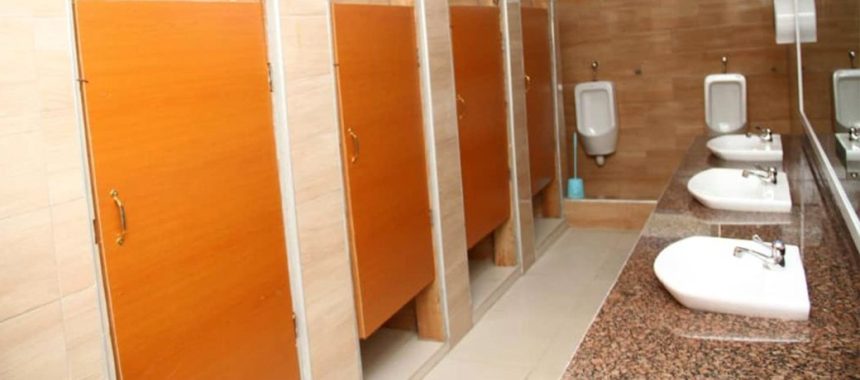
The Ministry of Local Government, Chieftaincy and Religious Affairs has raised concerns over Ghana’s sanitation situation, revealing that only 59.3% of households have access to improved toilet facilities.
The Ministry said the figures highlight the need for stronger investment in sanitation infrastructure and improved delivery of water, waste management and other basic services across the country.
According to the Ministry, 87.7% of households currently have access to basic drinking water services. However, significant differences exist between urban and rural communities.
While water coverage in urban areas stands at 96.4%, the rate drops to 74.4% in rural communities, showing a wide gap in access to essential services.
The sanitation situation is even more worrying, with fewer than six out of every 10 households having access to improved toilet facilities.
The Ministry said addressing these challenges would require greater investment in sanitation facilities, wastewater treatment systems and solid waste management.
In a circular issued on Monday, August 10, to commemorate the 2026 African Day for Decentralisation and Local Development, the Ministry stressed the importance of strengthening Metropolitan, Municipal and District Assemblies (MMDAs).
It said building the capacity of local authorities would enable them to respond more effectively to the water and sanitation needs of communities.
Ghana joined other African Union member states in observing the day under the theme: “Empowered Local Governments for Sustainable Water and Sanitation: Advancing Resilient, Inclusive and Sustainable Cities and Territories towards Agenda 2063.”
The Ministry said effective decentralisation would be critical to improving access to essential services, particularly as communities face different development challenges.
It also called for stronger community participation and partnerships between local authorities, residents, development organisations and other stakeholders.
According to the Ministry, empowering local institutions and involving communities in development decisions can help ensure that solutions are better suited to local needs.