The Ghana Chamber of Telecommunications has called on policymakers and regulators to protect Ghana’s SIM registration process from political interference and changes in government.
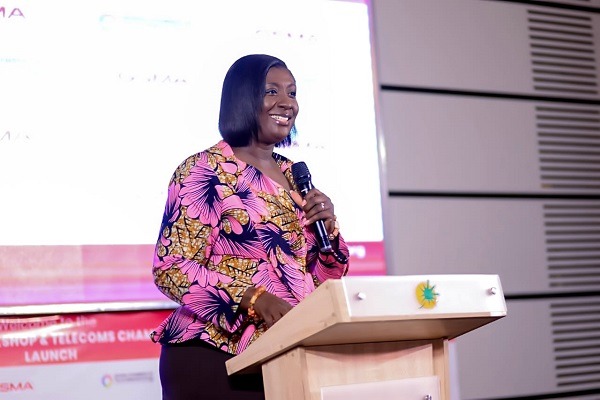
At the 2026 World Telecommunication and Information Society Day celebration, the Chamber’s Chief Executive Officer, Sylvia Owusu-Ankomah, said Ghana’s digital growth depends heavily on a trusted and efficient digital identification system.
She explained that industry stakeholders remain optimistic about ongoing discussions with the National Communications Authority (NCA).
According to her, these engagements could lead to a smoother and more technology-based SIM registration process that resolves challenges experienced in earlier registration exercises.
“When we talk about digital inclusion, the fundamental place we need to start from is ensuring that our digital system or our digital ID system is robust enough for us to grow. It is robust and credible enough.
“Again, the fact that we have made some past calls which have not translated into the progress we want to see, I want to urge the NCA, as we take this journey again, we know you have been working closely with us, you will stay on that course, and that the recommendations that the industry has put forward will be taken into account.
“No customer wants to go through that process again. It is a painstaking one. Today, we know that we have the benefits of technology, and we know that all of that is being factored into the conversations to make sure it is seamless,” she said.
Sylvia Owusu-Ankomah also appealed to authorities to make the current registration exercise the last nationwide SIM re-registration campaign.
She encouraged leaders to establish a long-term system that allows continuous updates without causing inconvenience to mobile subscribers.
“More importantly, I want to emphatically say that we need to get to a point where SIM registration should not be one that is played along politically, where, for every change in political leadership, we need to start all over again.
“These are systems, they are updated, they can be upgraded for us to be able to have the same level of confidence in these systems. So I urge us as we go through this one, it becomes the final one, one that we don’t come back,” she stated.
Her remarks come as players in Ghana’s telecommunications sector continue to advocate for stronger digital identity systems.
Industry experts believe reliable digital identification will improve financial inclusion, strengthen cybersecurity, support mobile connectivity, and advance the country’s wider digital transformation agenda.