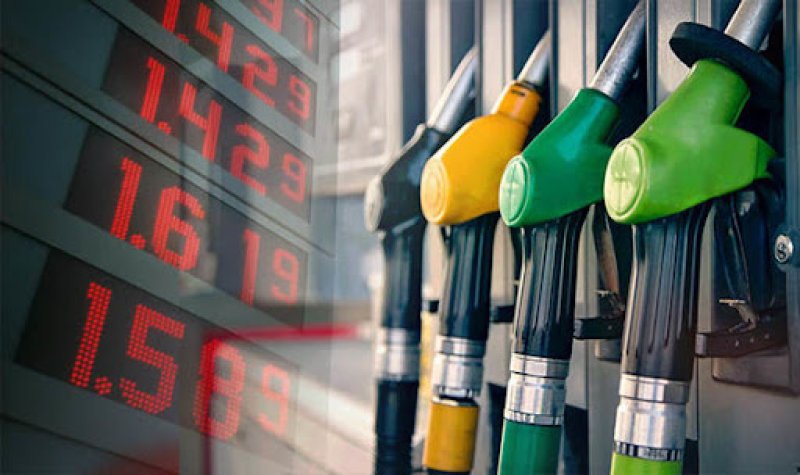
Fuel prices are expected to decline significantly from Wednesday, July 1, following a sharp drop in global crude oil prices and a slight appreciation of the cedi against the US dollar.
The Chamber of Petroleum Consumers (COPEC) says the combined impact of lower crude oil prices and a stronger cedi will lead to reduced pump prices for petrol, diesel and LPG during the first pricing window of July.
In a statement signed by its Executive Secretary, Duncan Amoah, COPEC said global crude oil prices have fallen by 19.69%, dropping from $97.32 per barrel to $78.16 per barrel.
The cedi also strengthened slightly, with the average interbank exchange rate improving from GH¢11.8035 to GH¢11.4333 to the dollar, representing a 3.14% appreciation.
For petrol, the Free on Board (FOB) price declined by 6.92%, from $988.77 per metric tonne to $920.34 per metric tonne.
Combined with the stronger cedi, COPEC projects an average retail price of GH¢13.36 per litre, down 6.21% from the current average of GH¢14.24 per litre.
Petrol is expected to sell between GH¢12.69 and GH¢14.03 per litre, depending on the pricing policies of oil marketing companies.
Diesel is expected to record an even bigger reduction. Its FOB price fell by 15.18%, from $1,056.38 to $896.02 per metric tonne.
COPEC estimates an average pump price of GH¢14.10 per litre, down from the current average of GH¢16.26 per litre, representing a 13.28% decrease.
Prices are expected to range between GH¢13.39 and GH¢14.80 per litre.
LPG is also projected to become cheaper. The FOB price dropped by 15.96%, from $652.65 to $548.50 per metric tonne.
With the cedi’s appreciation factored in, COPEC forecasts an average retail price of GH¢10.05 per kilogram, with prices expected to range between GH¢9.54 and GH¢10.55 per kilogram.
COPEC expressed confidence that oil marketing companies will quickly adjust their prices to reflect the expected reductions, providing much-needed relief for consumers.
The chamber also praised the government for allocating part of its share of crude oil from the Jubilee fields to support local refineries, saying the move could reduce fuel imports, ease pressure on the cedi and strengthen Ghana’s energy sector.