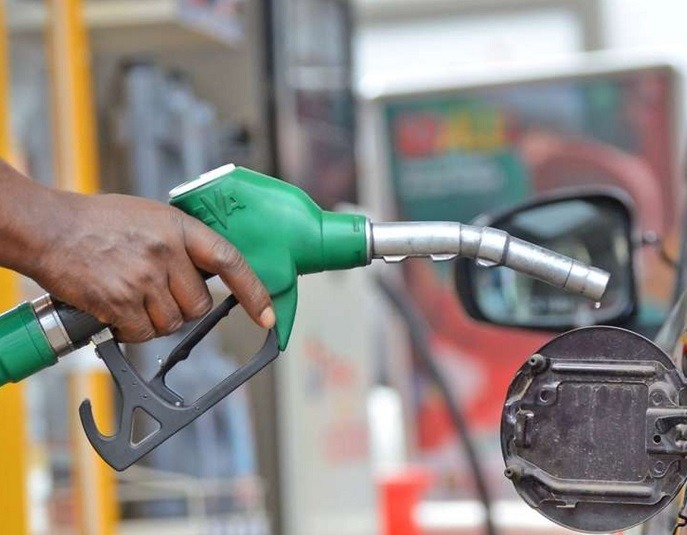
The Chamber of Petroleum Consumers (COPEC) has urged the government to extend its fuel tax relief measures for another month to help protect consumers from rising fuel prices.
According to the Chamber, the problems that pushed the government to introduce the temporary reliefs still exist. It pointed to ongoing tensions in the Middle East and unstable global crude oil prices as major threats to fuel price stability in Ghana.
Recently, the government reduced fuel costs by absorbing GH¢2 on diesel and 36 pesewas on petrol for one month. The intervention aimed to reduce pressure on consumers and businesses struggling with high fuel prices.
The Executive Secretary of COPEC, Duncan Amoah, said extending the relief measures would help maintain recent fuel price stability and prevent increases in transportation and operational costs across the country.
“The underlying factors for which the intervention became necessary are still rife. International benchmarks are high, premiums are still high, and local pump prices are high. Given the circumstances, it would only be reasonable for us to ask the government to extend the intervention by another month,” he said.
Mr. Amoah warned that any increase in fuel prices would quickly affect many sectors of the economy.
He explained that transport fares, food prices, and general inflation would likely rise if the relief measures end too soon.
He admitted that extending the intervention could cost the government additional money but argued that the benefits would outweigh the financial burden.
“For us, it might cost the government something, but I think the government will still be better off extending the intervention than at this point saying we are removing the GH¢2 we gave on diesel and then the 36 pesewas on petrol,” he added.
Mr. Amoah further appealed to the government to continue supporting ordinary Ghanaians while global market pressures remain high.
“We think that given the circumstances, the government should not only consider an extension but go ahead to extend for the ordinary Ghanaian consumer, because the factors that necessitated this intervention are still very rife as of today,” he said.
His comments come ahead of the second fuel pricing window for May.
Meanwhile, Fitch Ratings has predicted that the government may extend the temporary fuel relief measures introduced in April 2026.
The international ratings agency believes the move would continue to shield consumers and businesses from rising fuel prices linked to tensions in the Middle East.
Fitch also noted that the policy is unlikely to place heavy pressure on government finances.