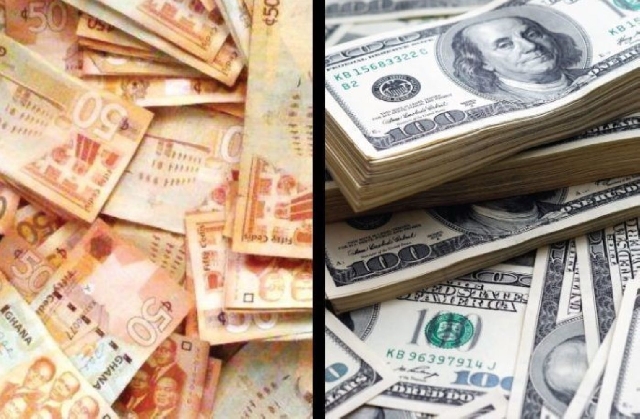
The Ghana cedi has come under renewed pressure against the US dollar as rising demand for foreign exchange continues to affect the currency.
The latest movement marks the second monthly depreciation of the cedi since May. Market data from some commercial banks showed that the currency lost 1.86% of its value against the dollar in July.
This followed a stronger performance in June, when the cedi appreciated by 3.30%. The June gains were supported largely by increased foreign exchange interventions by the Bank of Ghana, which supplied about $2.01 billion to the market to meet demand and help maintain stability.
The pressure returned in July, with increased demand for dollars to finance energy imports identified as one of the major factors behind the decline.
The trend has continued into August. The cedi has recorded a 0.52% week-to-date depreciation and a 1.66% month-to-date decline. Its year-to-date depreciation currently stands at 8.06%.
Businesses preparing for the Christmas shopping season are also contributing to the increased demand for foreign currency. Market watchers expect demand for dollars to remain high as importers increase their purchases ahead of the festive period.
Crude oil prices have added to the pressure because higher energy costs increase the amount of foreign exchange needed to pay for imports.
Despite the recent depreciation, the Bank of Ghana remains confident that the cedi will stabilise.
In its July Monetary Policy Report, the central bank acknowledged that increased foreign exchange demand ahead of Christmas could create pressure but said the currency should remain relatively stable over the medium term.
The Bank expects foreign exchange interventions and remittance inflows to help reduce the pressure.