Crude oil prices edged higher today after hopes of a peace agreement between the United States and Iran weakened further, following sharp comments from U.S. President Donald Trump on Iran’s latest response to a proposed peace deal.
Trump described Iran’s response as “garbage”, saying the ceasefire efforts between Washington and Tehran were now “on life support”.
“I would call it the weakest right now, after reading that piece of garbage they sent us. I didn’t even finish reading it,” he said, according to Reuters.
Iran’s response reportedly included a number of demands that the U.S. has previously rejected.
At the time of writing, Brent crude was trading at $104.86 per barrel, while West Texas Intermediate stood at $98.93 per barrel.
The tensions come as Trump travels to China for talks with President Xi Jinping. The meeting follows new U.S. sanctions targeting entities involved in the sale of Iranian oil to Chinese refiners in violation of existing sanctions on Tehran.
At the same time, concerns over global oil supply continue to grow. A Reuters survey showed that OPEC production fell by about 830,000 barrels per day last month, bringing total output down to an average of 20.04 million barrels daily.
The decline came despite efforts by Saudi Arabia and the United Arab Emirates to reroute oil exports away from the Strait of Hormuz.
On the demand side, research firm FGE NexantECA warned that global oil demand could shrink by about 4 million barrels per day in the second quarter of 2026 due to the economic impact of the ongoing Middle East conflict.
“Following strong growth in global oil demand during the first two months of the year, we forecast global oil demand in 2Q 2026 to decline by over 4 million barrels per day year-on-year as the impact of the war feeds through to the economy,” the firm said.
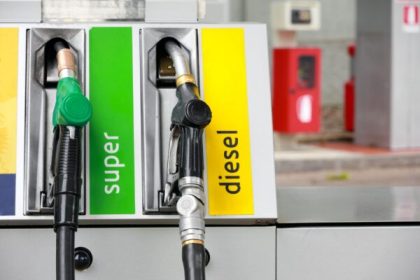
The Middle East crisis is also affecting consumers worldwide, driving fuel prices higher across major economies, including the United States, where the national average gasoline price rose to $4.51 per gallon on Monday.
The increase has sparked discussions in the U.S. over a possible temporary suspension of the federal fuel tax to ease pressure on consumers.